NoteCitrusNatural raw material
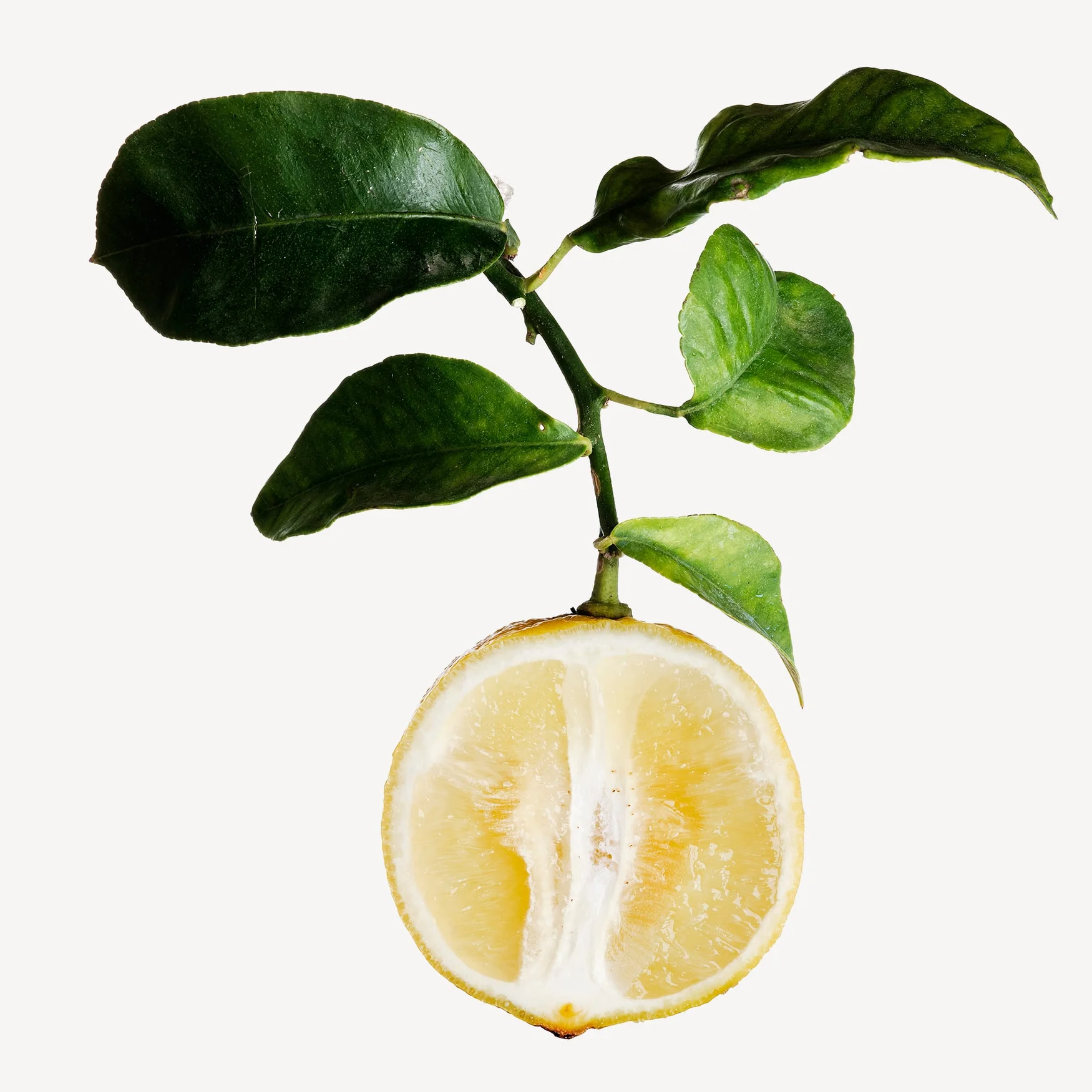
Bergamot
With a more suave note than lemon. A fresh, soft, floral lavender, peppery and sparkling scent that reminds Earl grey tea.
Origin · ItalyExtraction · Cold expressionUsed parts · Rind, fruit zest
About
Bergamot: the endlessly dynamic note with the ability to lift and enhance warm, woody scents or add a splash of life to floral fragrances in need of a zestful, spicy twist. This effortlessly suave ingredient is the height of popularity across many fragrances, offering a peppery and sparkling kick reminiscent of sweet summer mornings or lazy spring days. Its fleeting lightness blends seamlessly with a wide variety of fragrance families.
History
Despite its petite size, the benefits of the bergamot fruit extend well beyond its significance in the perfume industry. For centuries, bergamot has been distinguished by its unique remedial properties. Indeed, Hippocrates himself was known to dab on a bit of bergamot in an attempt to cure his woes. History has celebrated bergamot for its miraculous healing properties, using it as an analgesic, antidepressant, antiseptic, antiviral, or even as a laxative. Tea manufacturers caught wind of the illustrious bergamot and decided to use it in their teas—thus resulting in our much-loved Earl Grey. Bakers and confectioners alike have diddled with the ingredient to create a number of delectable treats, including the famous little Madeleine cake.
Production
Even today, the small bergamot fruit is carefully handpicked in Calabria—the sunbaked coastal region of Italy. From November to March, bergamot is picked, sorted and grouped according to its provenance. While this detail may seem arbitrary, it is essential in maintaining a distinction between bergamot’s many multifaceted olfactory nuances. The essential oil is extracted from the fruit’s pericarp, and then placed in a pelatrice (a machine equipped with cylindrical rollers which prick and grate the fruit to gently extract its coveted essences). During this operation, the fruits are continuously sprayed with small jets of cold water under pressure which, by washing the peel, entrain the extracts in a centrifuge where the aqueous part and the oil are separated. It takes an impressive 200 kg of bergamot to product a single liter of essential oil.
Top notes12 fragrances
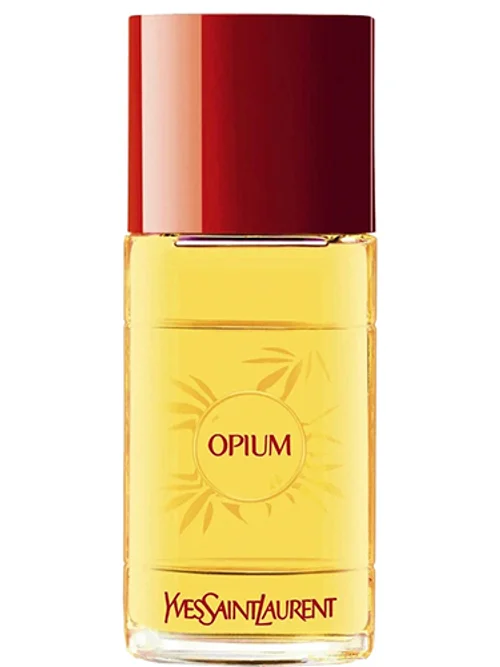
Yves Saint Laurent
Opium
Eau de Toilette1977
JasmineLemonRose+1
8.9/10
28 ratings
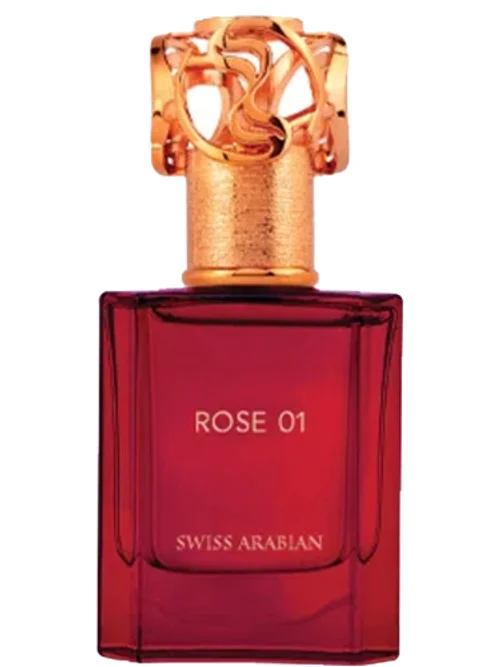
Swiss Arabian
Rose 01
Hair Perfume2021
BergamotVanillaMusk+1
8.5/10
17 ratings
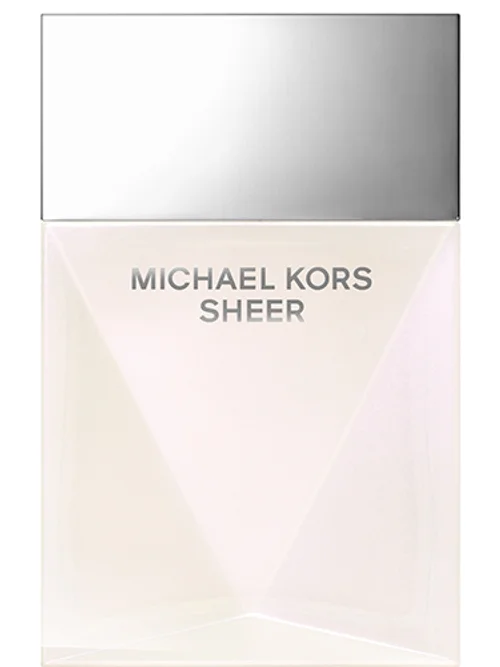
Michael Kors
Sheer
2017
JasmineBergamotOrange Blossom+1
8.1/10
9 ratings
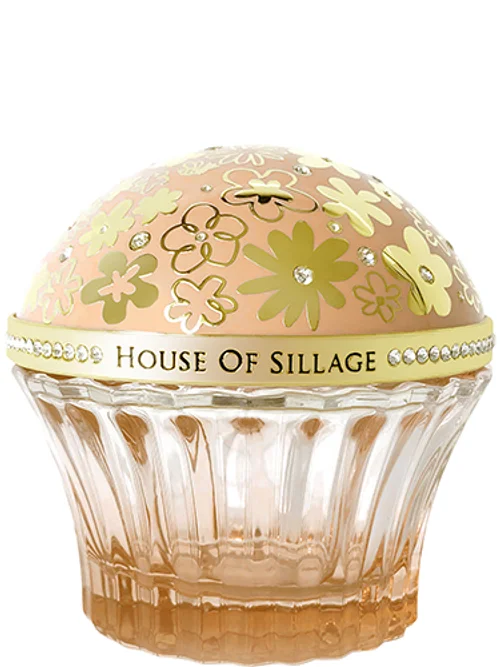
House Of Sillage
Whispers Of Enlightenment
2017
JasmineRoseBergamot+1
8.0/10
5 ratings
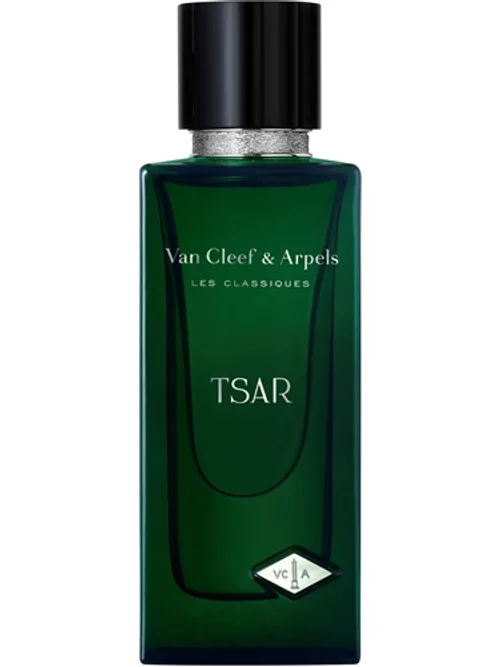
Van Cleef & Arpels
Tsar
Eau de Toilette1989
JasmineSpicy NotesRose+1
7.9/10
313 ratings
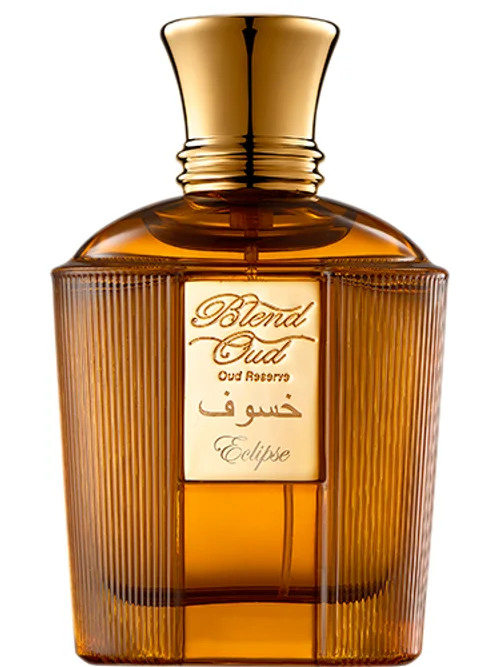
Blend Oud
Eclipse
Eau de Parfum2016
JasmineLemonRose+1
7.6/10
10 ratings
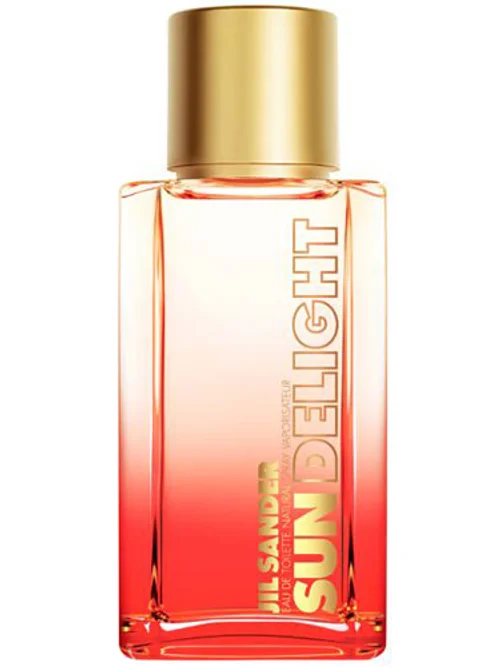
Jil Sander
Sun Delight
Eau de Toilette2006
BergamotCedarwoodVanilla+1
7.4/10
403 ratings
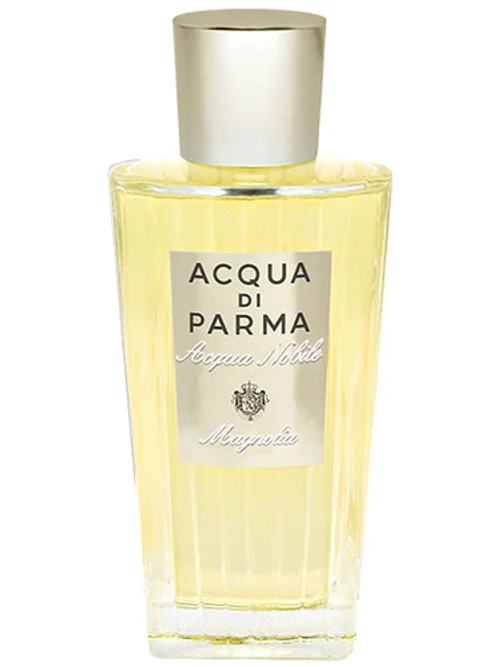
Acqua Di Parma
Acqua Nobile Magnolia
2013
JasmineLemonBergamot+1
7.2/10
73 ratings
Also featured48 fragrances
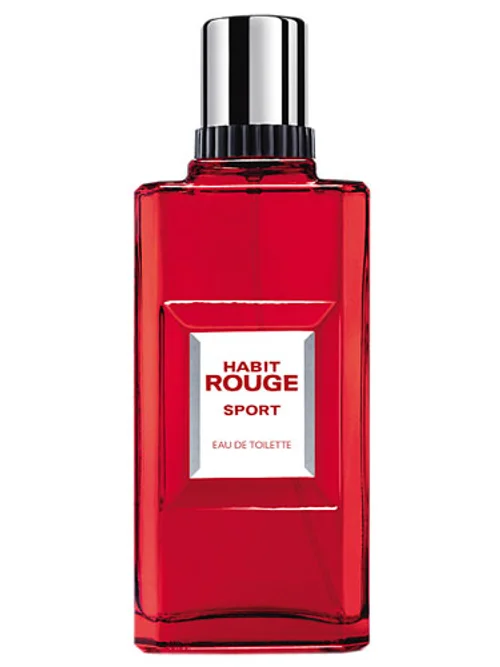
Guerlain
Habit Rouge Sport
Eau de Toilette2009
JasmineLemonBergamot+1
7.4/10
105 ratings
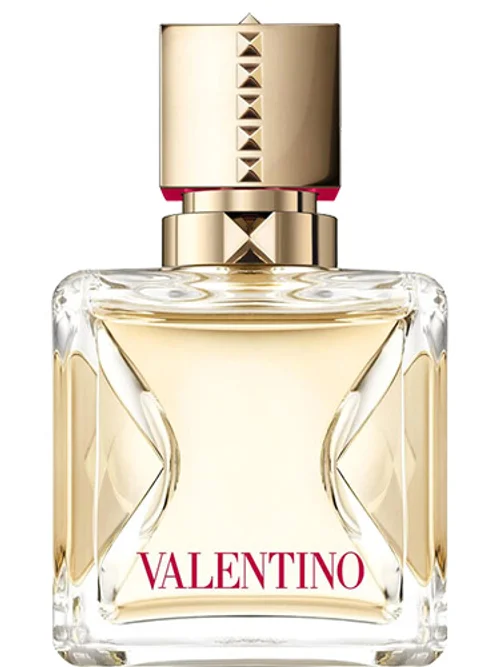
Valentino
Voce Viva
Eau de Parfum2020
GardeniaBergamotOrange Blossom+1
7.0/10
335 ratings
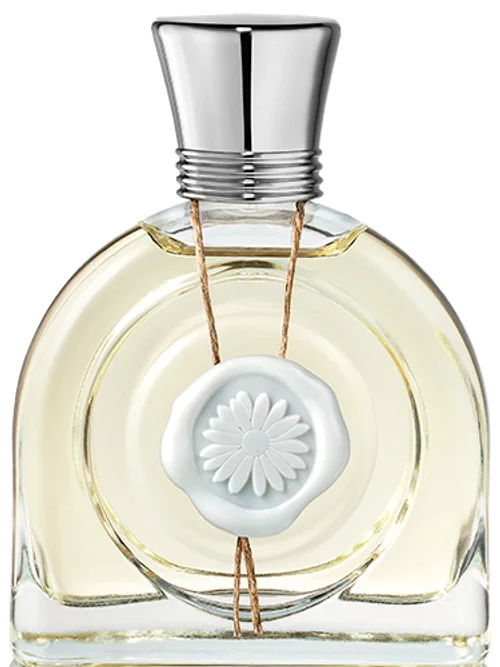
M. Micallef
Fleur De Lune
Eau de Parfum2019
JasmineBergamotMusk+1
6.9/10
15 ratings
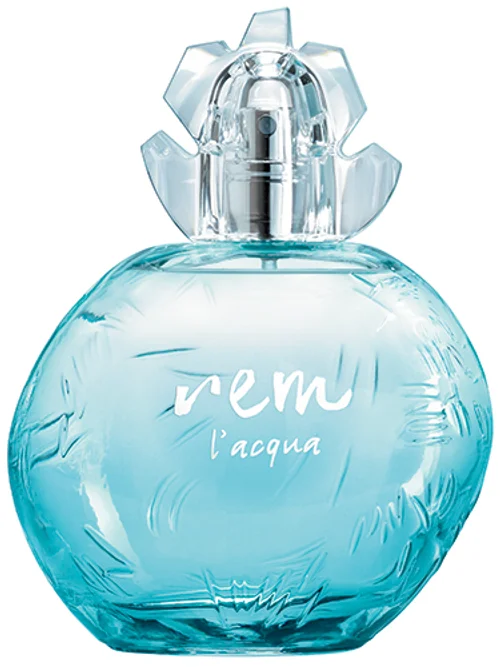
Reminiscence
Rem L'Acqua
Eau de Toilette2016
JasmineLemonBergamot+1
6.7/10
7 ratings
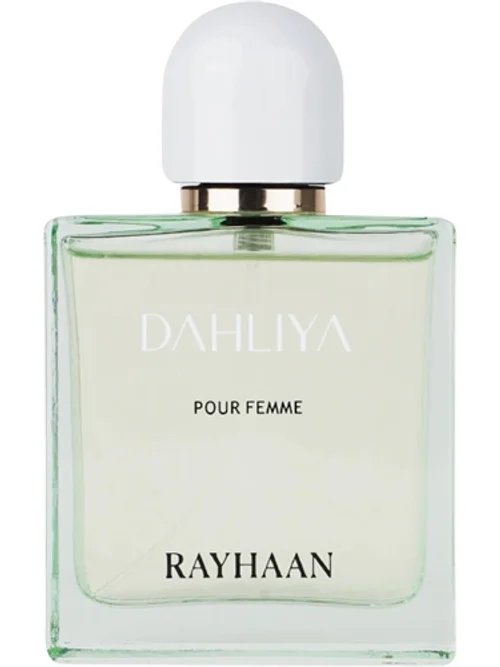
Rayhaan
Dahliya
2023
JasmineRoseBergamot+1
—/10
0 ratings
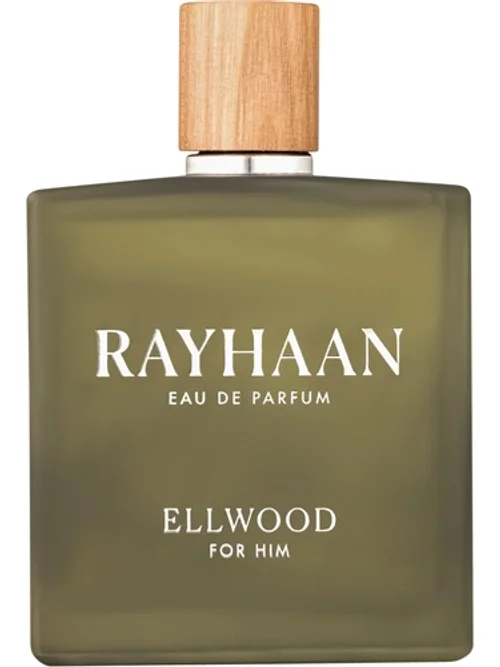
Rayhaan
Ellwood
2022
BergamotPatchouli (Indonesia)Cedarwood (Virginia)+1
—/10
0 ratings
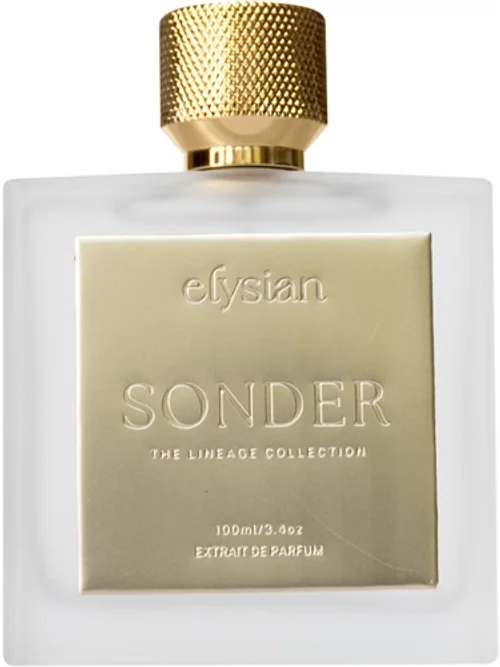
Elysian
Sonder
2023
JasmineLemonBergamot+1
—/10
0 ratings
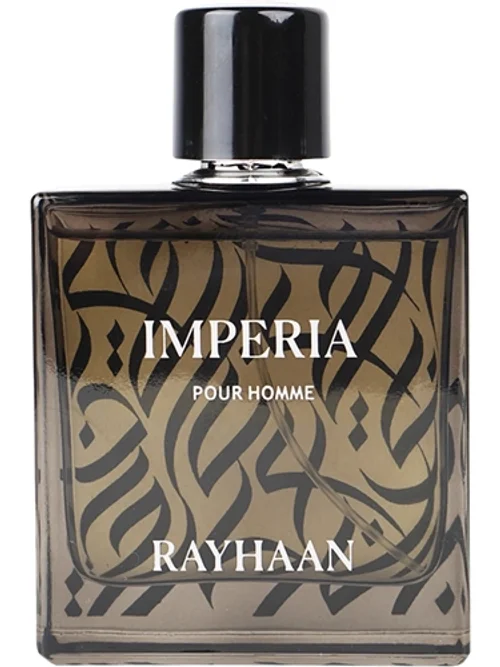
Rayhaan
Imperia
2022
JasmineRoseBergamot+1
—/10
0 ratings