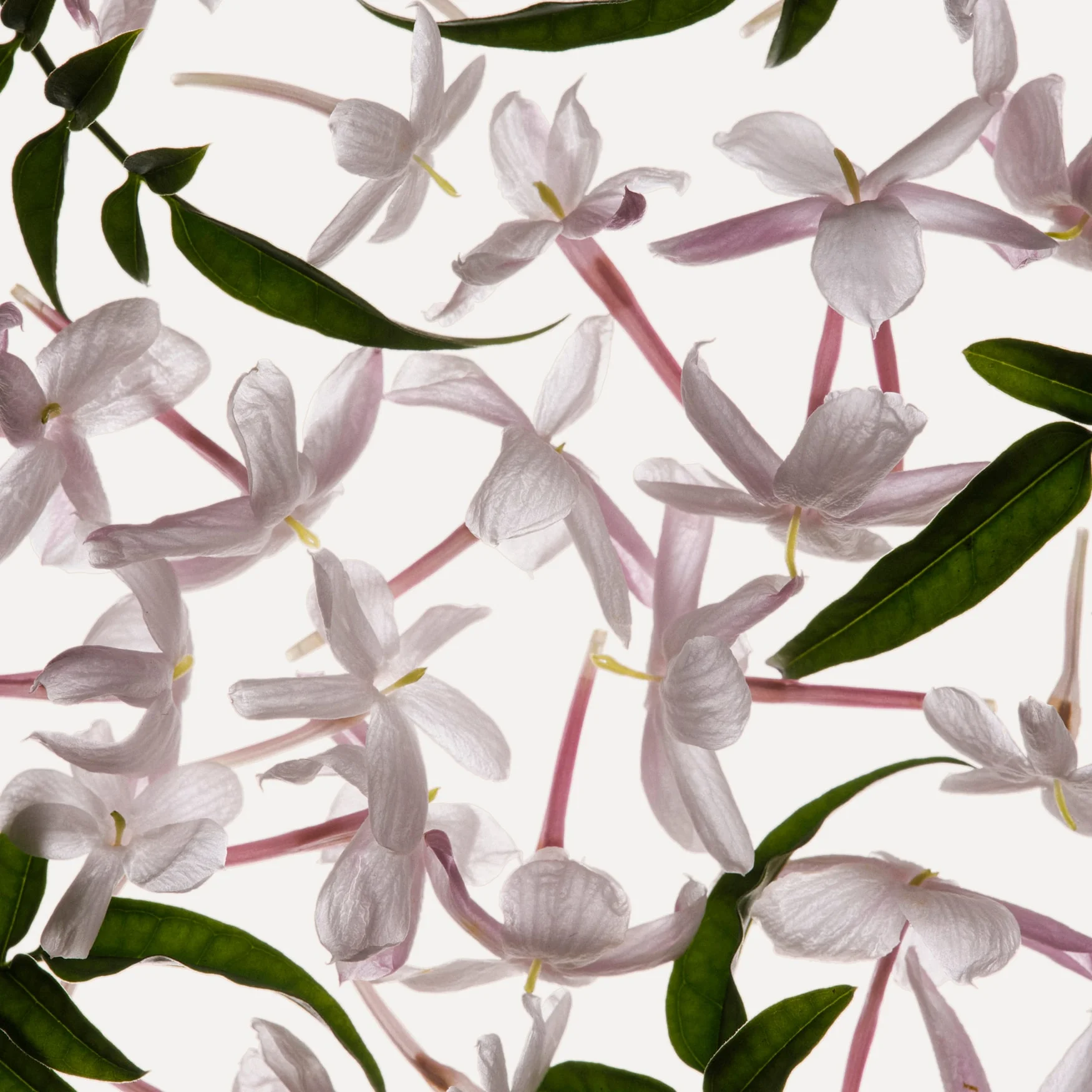
NoteFloralNatural Raw Material
Jasmine (Italia)
Floral, fruity, suave, animal, rich, heady, powerful.
Extraction · Solvent extractionUsed parts · Flowers
About
Jasmine, the ever-popular heart note, is highly desired and extensively used in perfumery. A fragrance chameleon, jasmine is delightfully versatile: transparent and luminous as a top note, and surprisingly animalistic and sensual as a smooth base note. Its suave, heady characteristics combine in an intoxicating wave of rich tenacity. Perfectly balancing femininity and masculinity, jasmine emits an unmistakably powerful scent that is both floral and fruity.
History
Jasmine has been revered for millennia for its intoxicating aroma and its spiritual and sensual symbolism. Its use in perfumery dates back to the earliest civilizations of Asia and the Middle East, where it was employed in sacred rituals, cosmetics, and medicine. In the 16th century, the Arabs introduced jasmine to Europe through Spain, and from there its cultivation spread to Grasse, France, where it became a cornerstone of classical perfumery. During the 19th century, jasmine established itself as one of the most noble flowers in the perfumer's palette, present in grand floral and chypre compositions. Its dual profile—between luminous purity and animal sensuality—made it the protagonist of iconic creations, both feminine and unisex, from the 20th century to today.
Production
Native to the Himalayan valleys, the jasmine flower is grown in several countries around the world. India and Egypt are top producers, while smaller amounts are produced in Morocco, Italy and France. With more than 200 varieties of jasmine, there are actually only two used in perfumery: the Jasmine Grandiflorum and the Jasmine Sambac. The blooming season for Jasmine Grandiflorum is from June to October, with the best flowers being gathered in July and August. Extraction with solvent is the most commonly used method to obtain a concrete from which absolutes are derived after washing it with alcohol. Hexane is the most widely used solvent.
Also featured11 fragrances
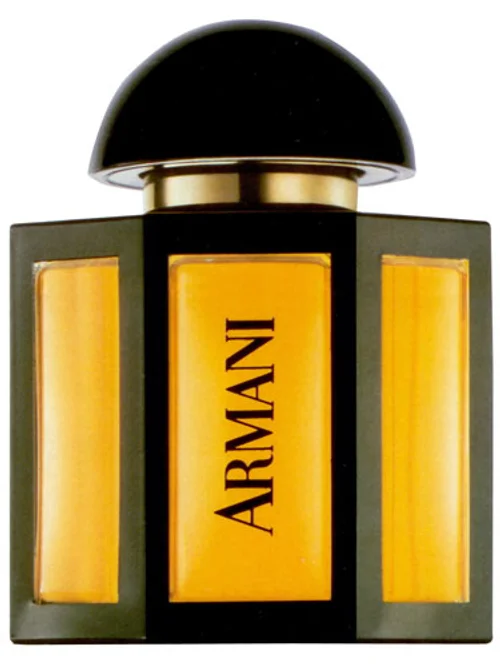
Giorgio Armani
Armani
Parfum1982
JasmineRoseBergamot+1
8.6/10
14 ratings
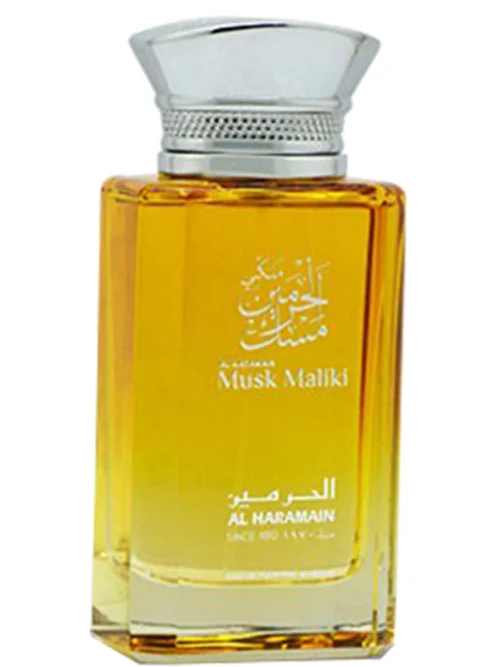
Al Haramain
Musk Maliki
2021
LemonSandalwoodGeranium+1
8.3/10
3 ratings
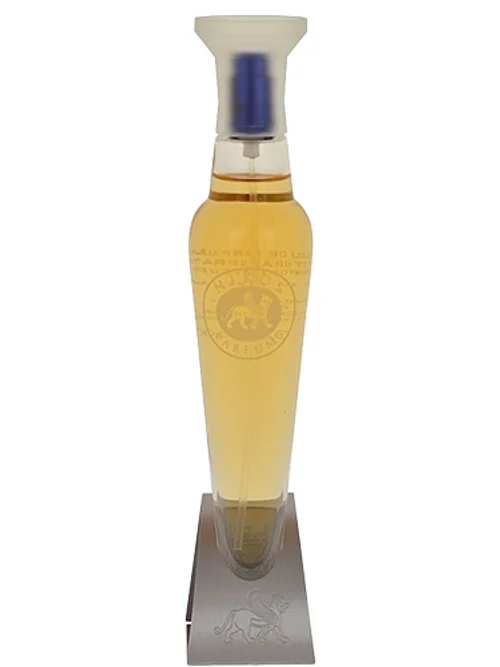
Nikos
Sculpture
Parfum1994
JasmineLemonBergamot+1
8.2/10
5 ratings
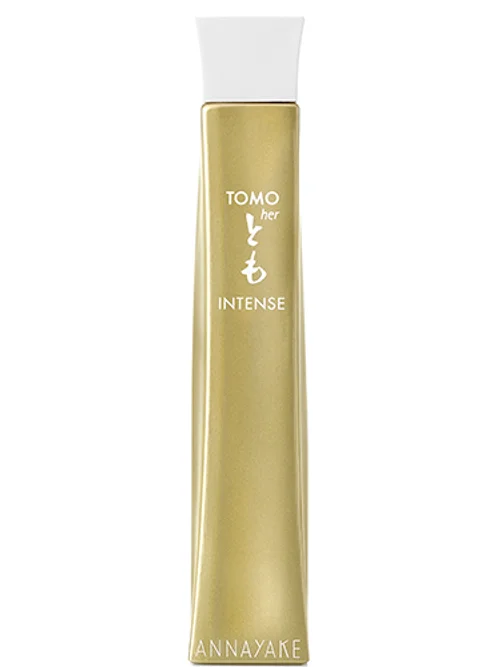
Annayake
Tomo Her Intense
2021
JasmineRoseBergamot+1
8.1/10
21 ratings
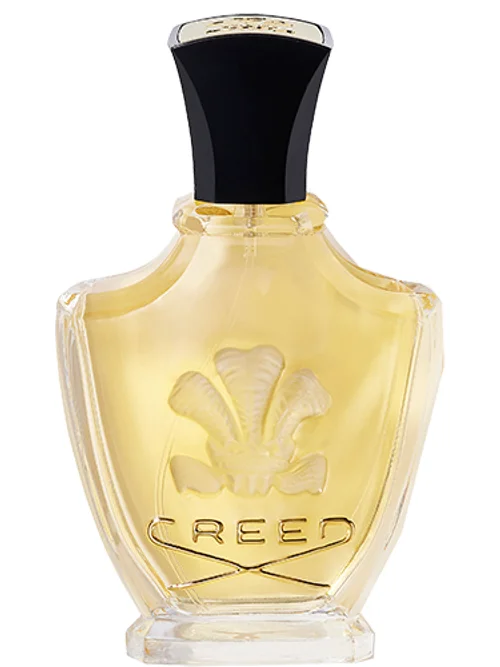
Creed
Jasmin Impératrice Eugénie
Eau de Parfum1989
RoseBergamotOrange Blossom+1
8.0/10
57 ratings
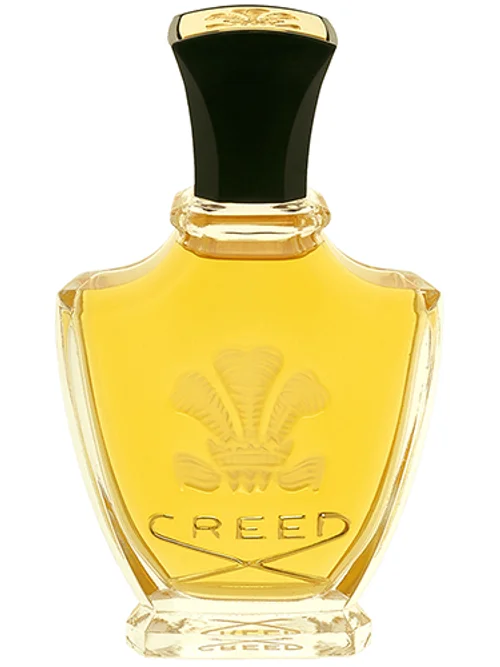
Creed
Vanisia
1987
BergamotSandalwoodVanilla+1
7.5/10
91 ratings
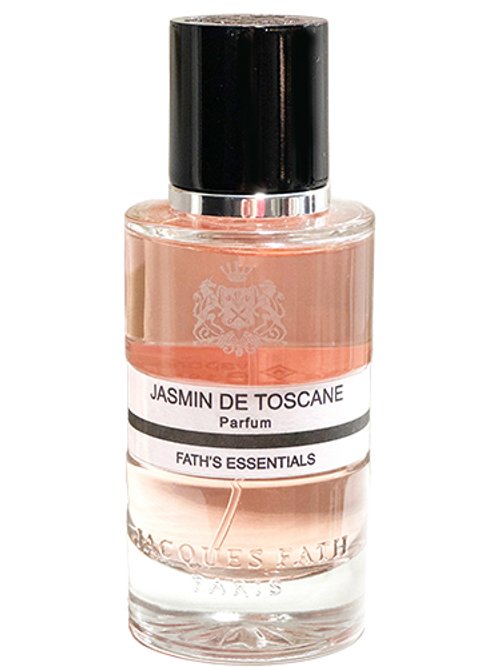
Jacques Fath
Jasmin De Toscane
2023
JasmineGrapefruitBenzoin+1
—/10
0 ratings
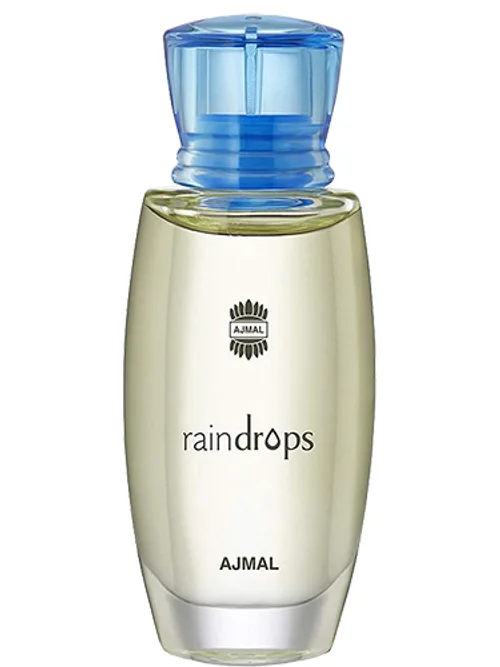
Ajmal
Raindrops
2005
BergamotVetiver (Haiti)Patchouli (Indonesia)+1
—/10
0 ratings