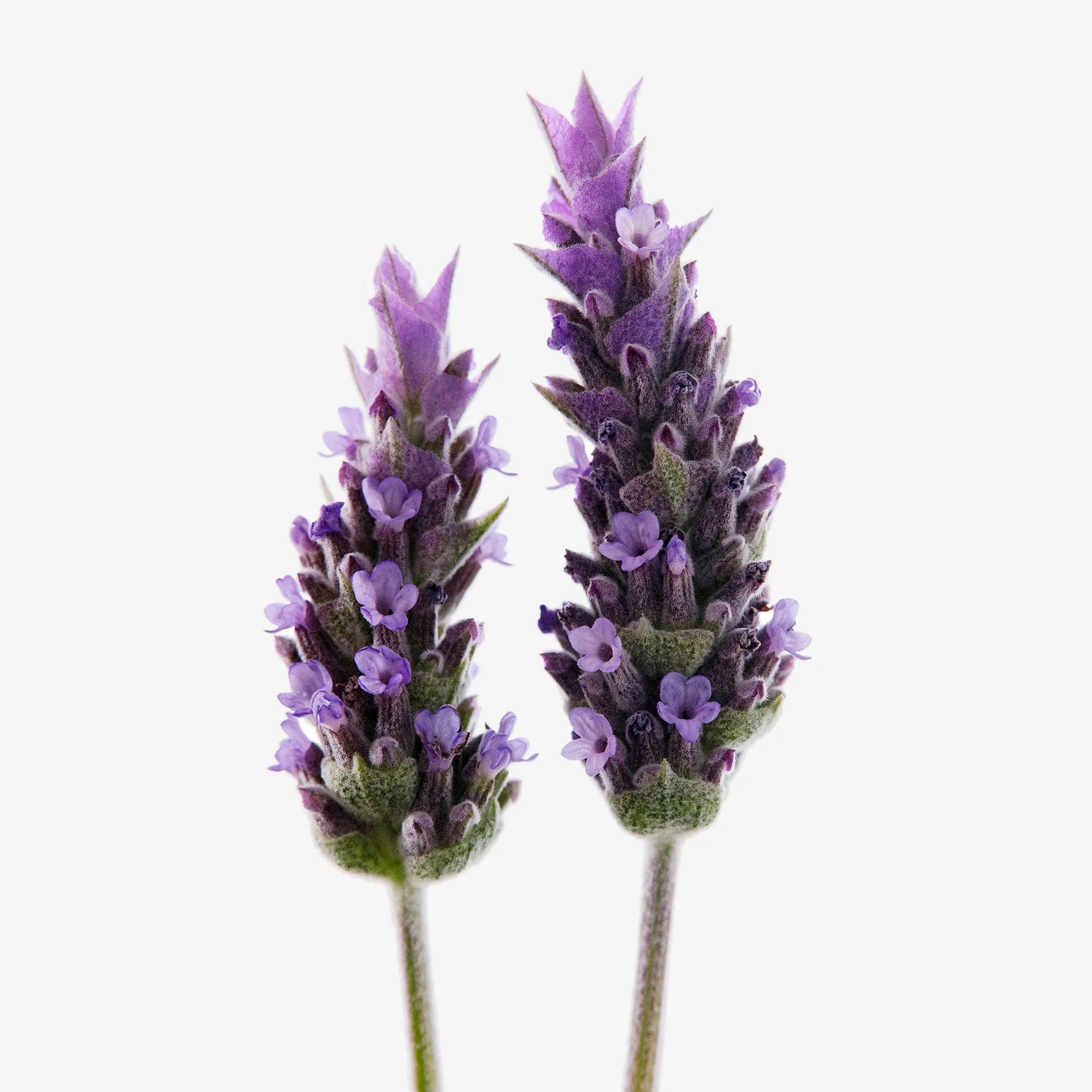
NoteAromatic FougereNatural raw material
Lavender (English)
Grassy, rustic, floral, slightly camphoric, clean, sometimes slightly fruity.
Extraction · Steam distillationUsed parts · Fresh flowers and stems
About
Lavender is delicately floral and renowned for its “clean” scent despite having camphoric facets. Sweet and floral, lavender is an herbal scent that blends well with the likes of orange blossom, neroli, bergamot, oakmoss and patchouli. It can also compliment notes of pine, sage or rosemary. Lavender is used in many products including eau de cologne, cosmetics, soap, deodorants, after-shave and perfume. It was the first floral note to be used in men's fragrances, at first paired with fougere notes so its effect was less obvious. Lavender is a symbol for both Anglo-Saxons and Southern France.
History
Lavender's name comes from the Latin verb lavare, which means to wash, since the Romans extracted its oil to add to their baths. They also used it as a perfume in cosmetics, as an insecticide and a remedy for healing wounds. Glove makers in Grass used lavender essence to perfume their leather. English lavender--different from Mediterranean lavender--reached new levels of popularity in the 19th century as a perfect olfactory representation of the Anglo-Saxons' ideal of nature and of their gardens. It remained at its height of use until World War Two and even took over cleaning products and home and linen products.
Production
Lavender is a bush that can grow up to 1 m tall and is admired for its beautiful mauve and purple flowers. France is the predominant lavender producer, especially in southeast regions like the Haute-Provence, Drôme and Vaucluse. The flower can also come from other Mediterranean countries like Spain and Italy, or from countries in other parts of the world, like Bulgaria, China and Russia. Lavender essence is produced from steam distilling the freshly cut flowers. Absolute can also be produced by extraction using solvents.
Also featured16 fragrances
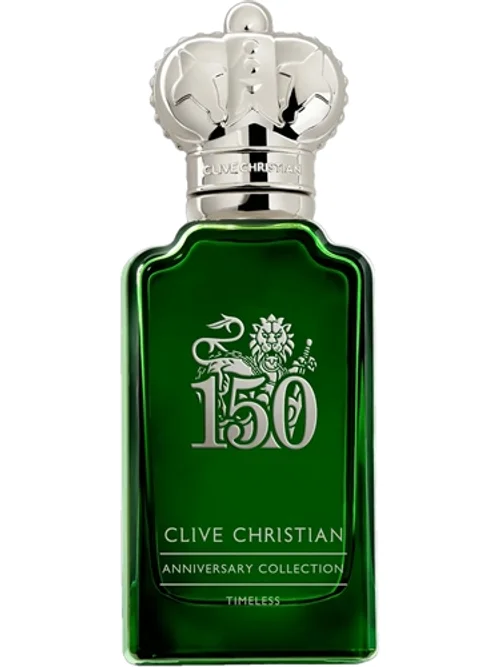
Clive Christian
Timeless
Cologne2024
MintMuskVetiver+1
8.1/10
41 ratings
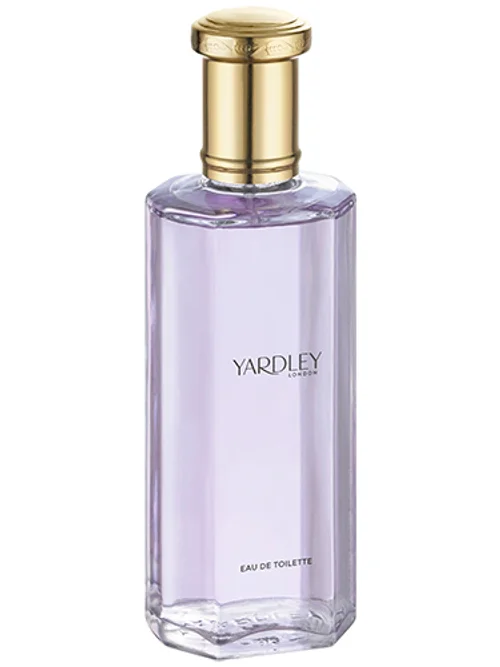
Yardley
English Lavender
Eau de Toilette2015
JasmineRoseBergamot+1
6.7/10
20 ratings
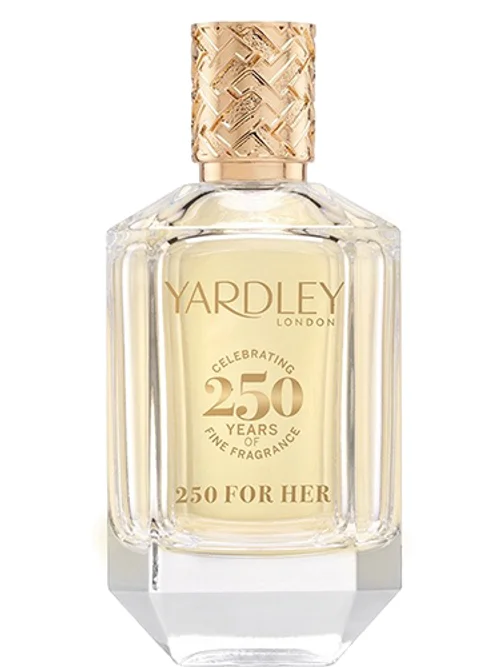
Yardley
250 For Her
2020
BergamotOrange BlossomSandalwood+1
—/10
0 ratings
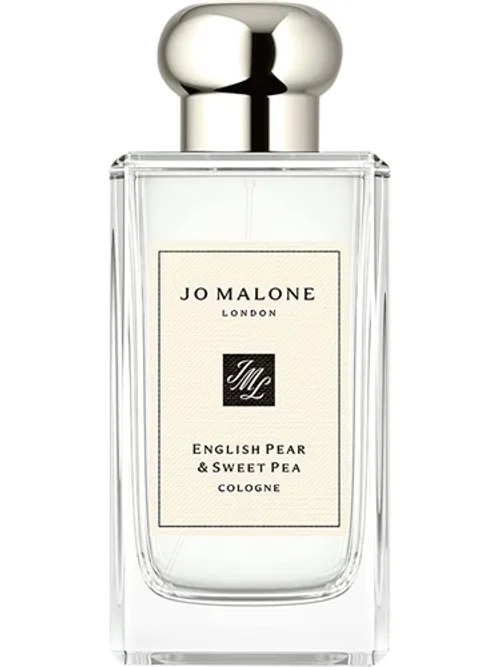
Jo Malone London
English Pear & Sweet Pea
2023
RosePatchouli (Indonesia)Musk+1
—/10
0 ratings

Marc Eckö
Eckô Unltd. 72
2015
BergamotMuskAmber+1
—/10
0 ratings
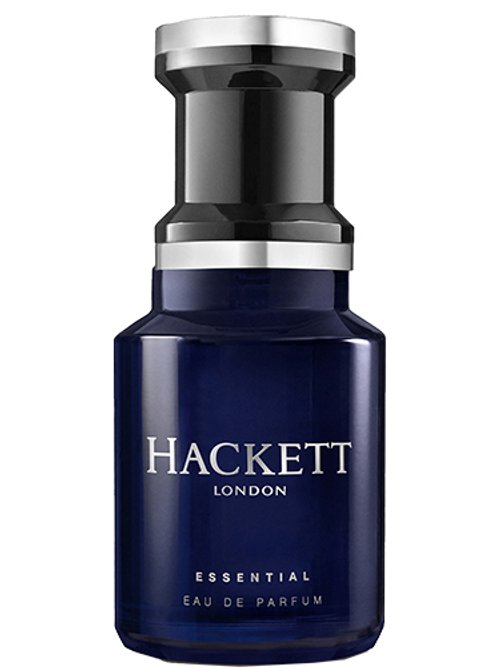
Hackett London
Hackett Essential
2022
BergamotGeraniumOakmoss+1
—/10
0 ratings
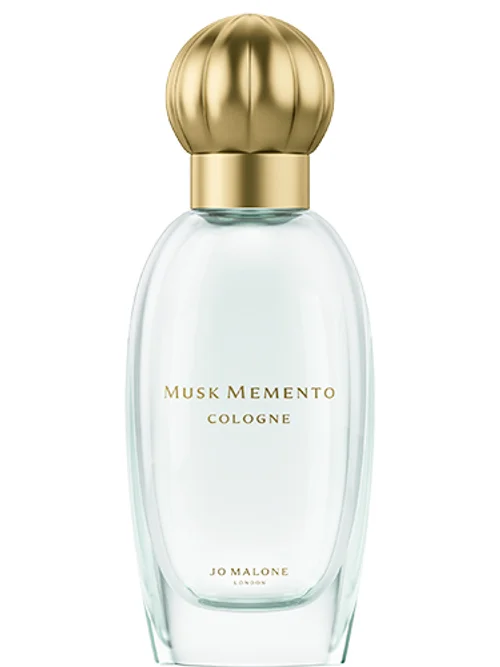
Jo Malone London
Musk Memento
2024
CedarwoodIris / OrrisAldehyde+1
—/10
0 ratings
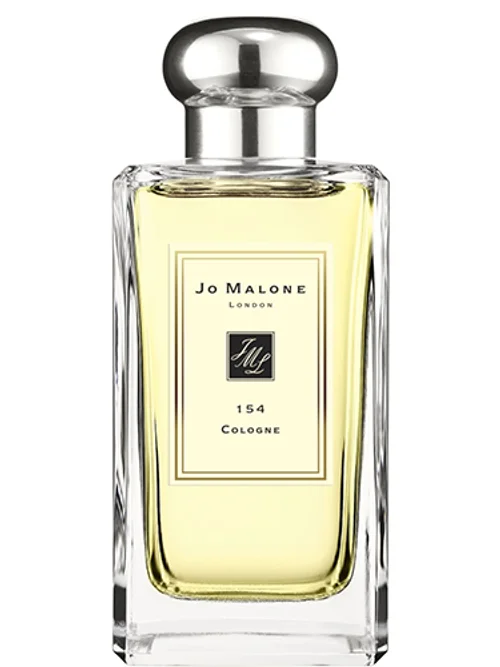
Jo Malone London
154
2001
BergamotGrapefruitVanilla+1
—/10
0 ratings