NoteFloralNatural raw material
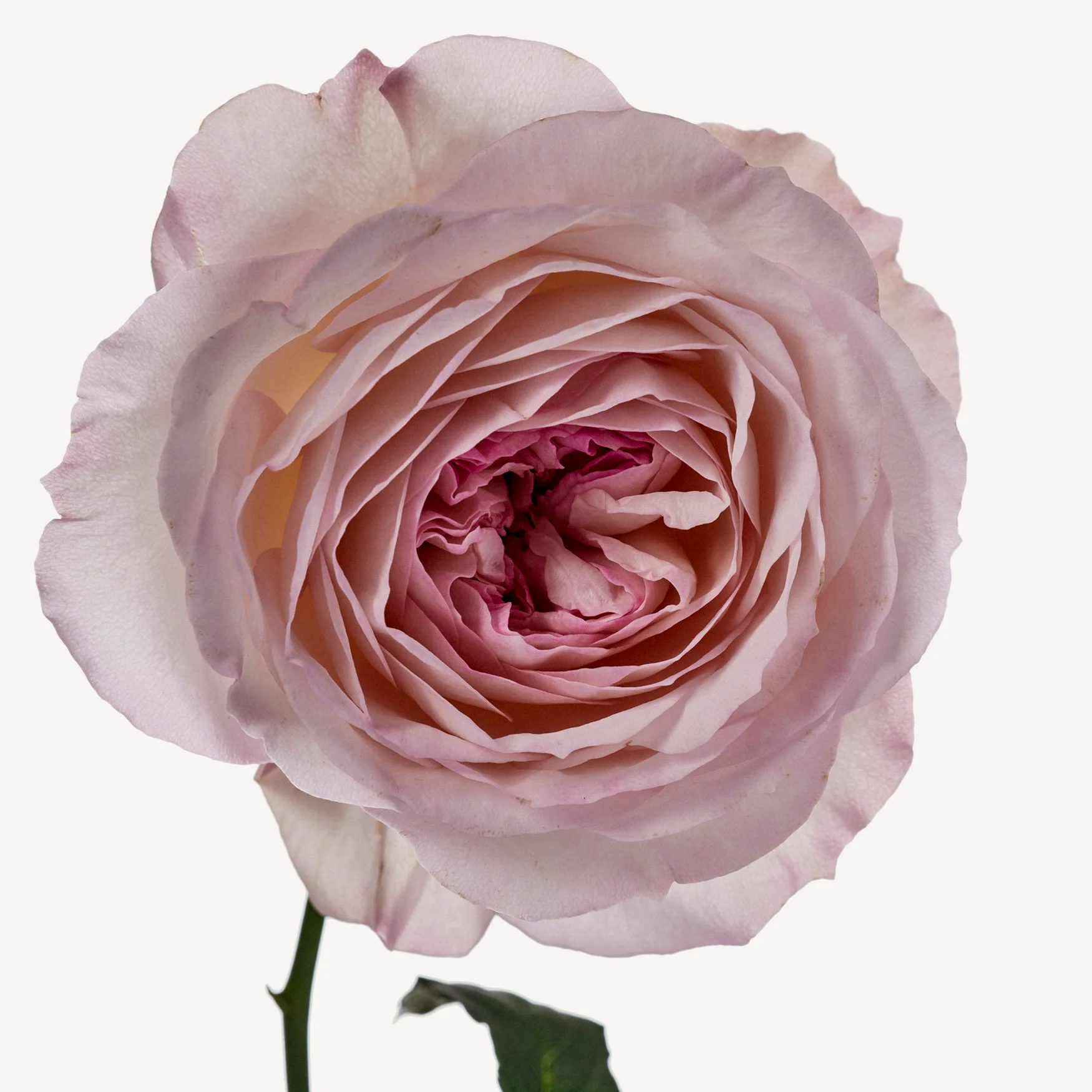
Rose (Kyoto)
Majestic and characteristic, spicy, green and honeyed, powerful and rich, both floral and fruity scent, that can evoke litchee.
Extraction · Steam distillation or solvent extractionUsed parts · Fresh flowers, petals
About
The bedrock of perfumery, roses are inextricably linked to the fragrances we’ve come to know and love. In fact, rose comprises more than 400 known constituents, with a variety of reconstructions across every price point. Its scent is powerful and rich, with floral and fruity facets of contrast: sweet yet spicy, green yet honeyed. Rose is often described as a feminine note with floral, powdery facets.
History
Soft, silky and awe-inspiringly lovely… it’s no wonder roses are the epitome of romance and passion. The existence of roses—and our subsequent fascination with them—spans more than three millennia. Throughout time, roses have been mixed in countless skincare products, distilled into a myriad of scents and olfactory concoctions, and doted on for their aesthetic qualities. The floors of Babylonian palaces are said to have been covered in soft rose petals. In Antiquity, roses were a staple of lavish banquets: used to perfume water, fine wines and jams. And in Morocco, Arabs and Berbers enjoyed distilling roses and rose by-products as early as the first century BC.
Production
In what we imagine to be some of the most beautiful regions imaginable, roses are grown en masse throughout parts of France, Turkey, Bulgaria and Morocco (the Daddès Valley). But not all roses make it into our beloved fragrances. Rather, roses are classified into two overarching categories: ornamental roses grown for their aesthetic qualities, and then the coveted fragrant roses that pique perfumers’ interests. Among the 5,000 known botanical varieties of roses, only a mere two are used in perfumery: the Rosa Centifolia and the Rosa Damascena. Rosa Centifolia, a thorn-less flower grown in Grasse, is considered to have a more “delicate” scent, extracted using solvents to obtain an absolute. Akin to anything of interest, this divine floral note is shrouded in secrecy—with its production becoming rather secretive of late. And yet, the fragrant qualities of Centifolia are so lovely that prestige perfume houses continue to use it. On the other hand, Rosa Damascena (or Damascus rose)—produced in Turkey and Bulgaria—is the only known rose to exist as an essence. And what’s more: it’s thought to be among the richest, most velvety essences available. This essence is captured through a process of distillation, whereby the flowers are handpicked at dawn and quickly processed to avoid fermentation.
Also featured1 fragrance