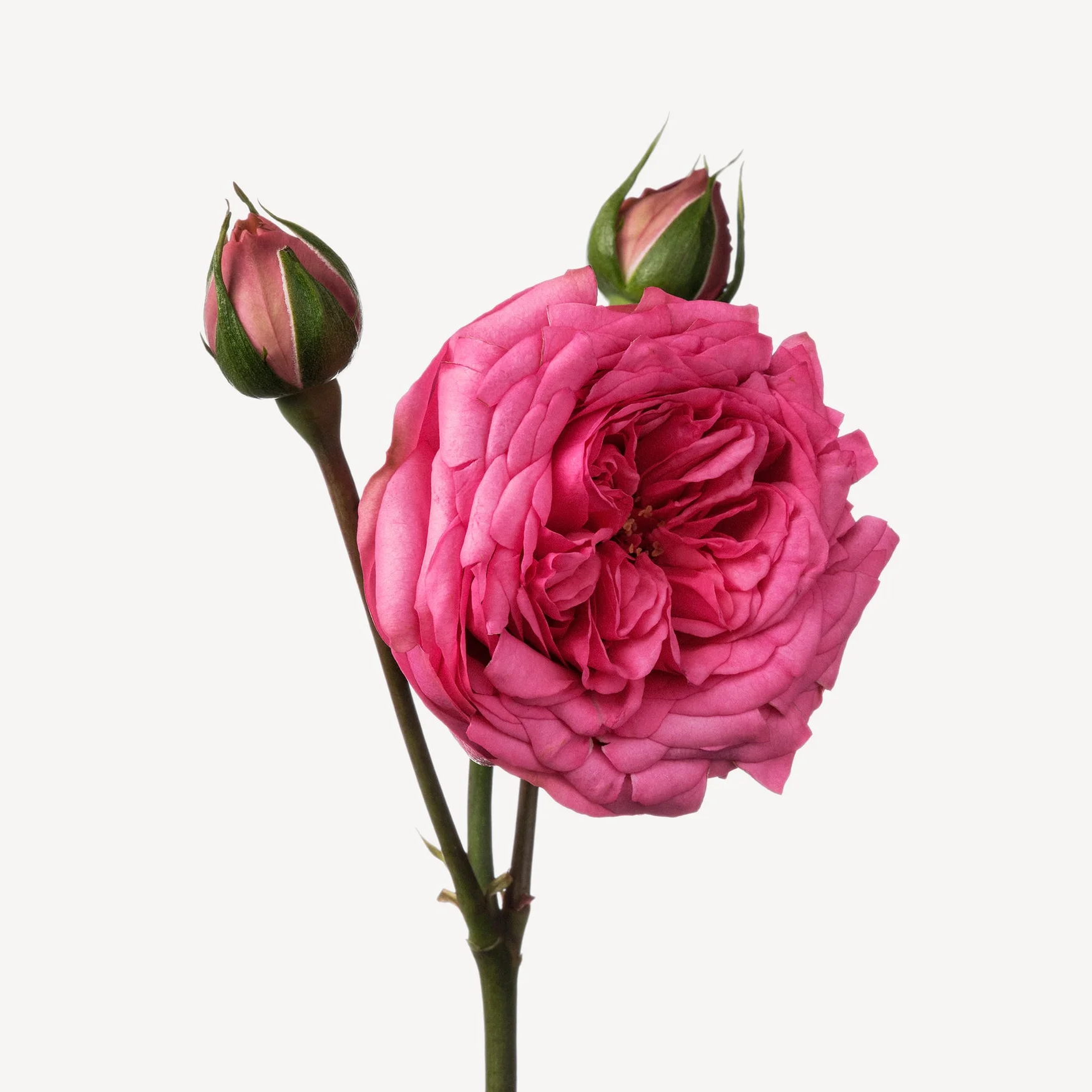
NoteFloralNatural raw material
Rose (Turkey)
Majestic and characteristic, spicy, green and honeyed, powerful and rich, both floral and fruity scent, that can evoke litchee.
Origin · Bulgaria, France, TürkiyeExtraction · Steam distillation to obtain the essence and solvent extraction to get the absoluteUsed parts · Fresh flowers, petals
About
Indispensable to the world of perfumery and all things fine fragrance, rosa damascena (otherwise known as Turkish rose or Damask rose) is the scent of choice for many perfumers and fragrance devotees alike. Its rich and deep—a tangible scent that announces itself in decadent layers that are fruity, floral and sweetly honeyed. Green facets mingle with spritely lychee.
History
The Turkish rose (otherwise known as Rosa Damascena or Damask Rose) traces its roots back as far as Ancient Persia. In bygone eras, its heavenly scent was extracted through a simple distillation process which gave comparatively miniscule amounts of rose oil—the most coveted scent of ancient times.
Production
In what we imagine to be some of the most beautiful regions imaginable, roses are grown en masse throughout parts of France, Turkey, Bulgaria and Morocco (the Daddès Valley). But not all roses make it into our beloved fragrances. Rather, roses are classified into two overarching categories: ornamental roses grown for their aesthetic qualities, and then the coveted fragrant roses that pique perfumers’ interests. Among the 5,000 known botanical varieties of roses, only a mere two are used in perfumery: the Rosa Centifolia and the Rosa Damascena. Rosa Centifolia, a thorn-less flower grown in Grasse, is considered to have a more “delicate” scent, extracted using solvents to obtain an absolute. Akin to anything of interest, this divine floral note is shrouded in secrecy—with its production becoming rather secretive of late. And yet, the fragrant qualities of Centifolia are so lovely that prestige perfume houses continue to use it. On the other hand, Rosa Damascena (or Damascus rose)—produced in Turkey and Bulgaria—is the only known rose to exist as an essence. And what’s more: it’s thought to be among the richest, most velvety essences available. This essence is captured through a process of distillation, whereby the flowers are handpicked at dawn and quickly processed to avoid fermentation.
Also featured60 fragrances
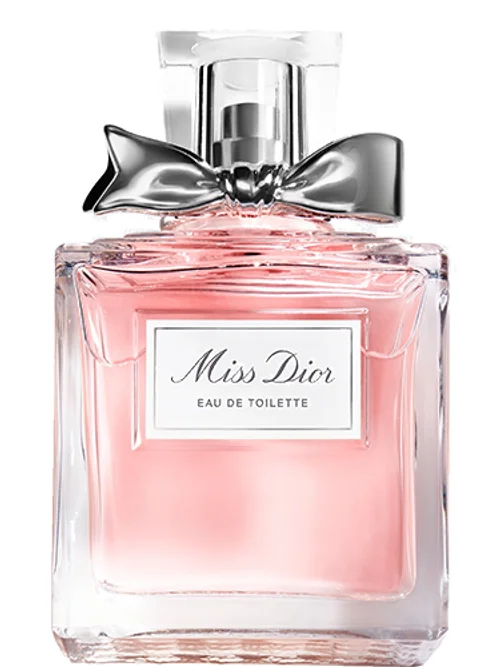
Dior
Miss
Eau de Toilette2019
JasmineGardeniaRose+1
9.4/10
19 ratings
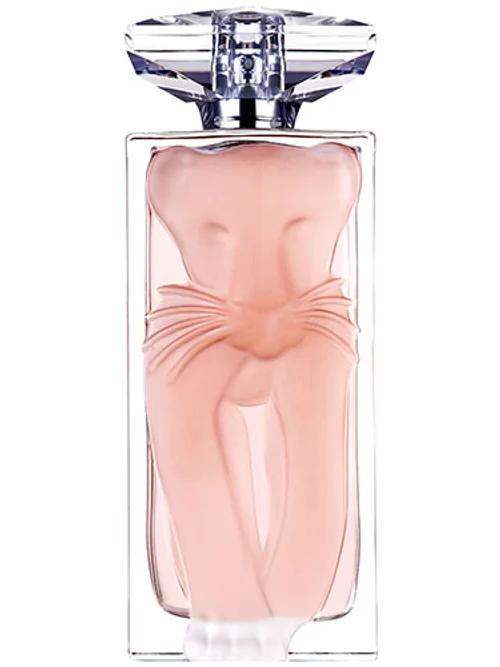
Salvador Dalí
La Belle Et L'Ocelot
Eau de Toilette2016
JasmineRoseOrange Blossom+1
8.7/10
240 ratings
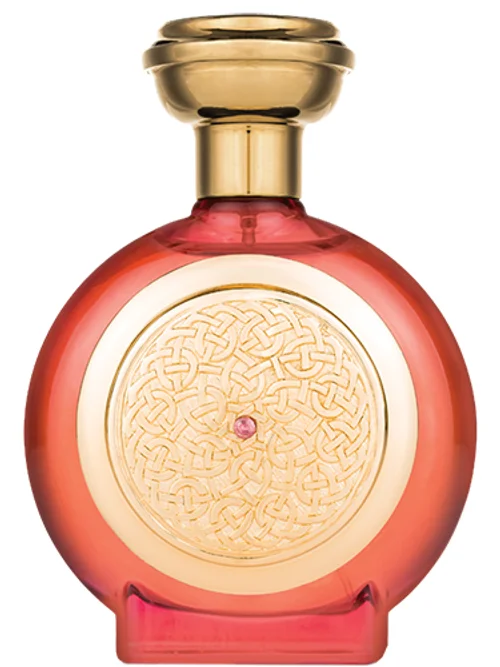
Boadicea The Victorious
Rose Sapphire
2016
RoseCedarwoodGeranium+1
8.1/10
27 ratings
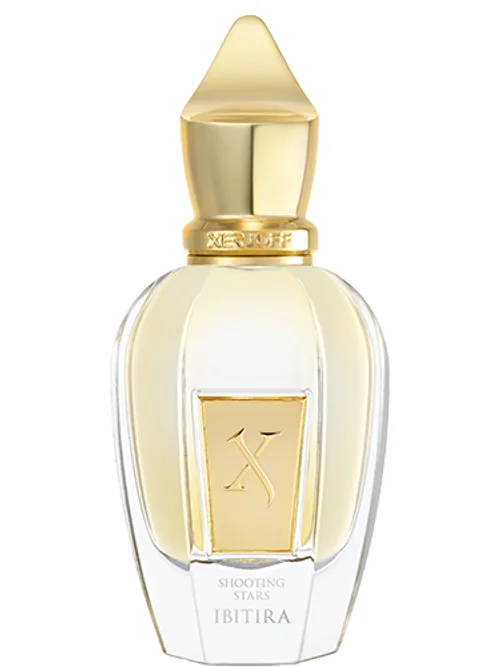
Xerjoff
Ibitira
Eau de Parfum2009
LemonOrange BlossomVetiver (Haiti)+1
8.1/10
202 ratings
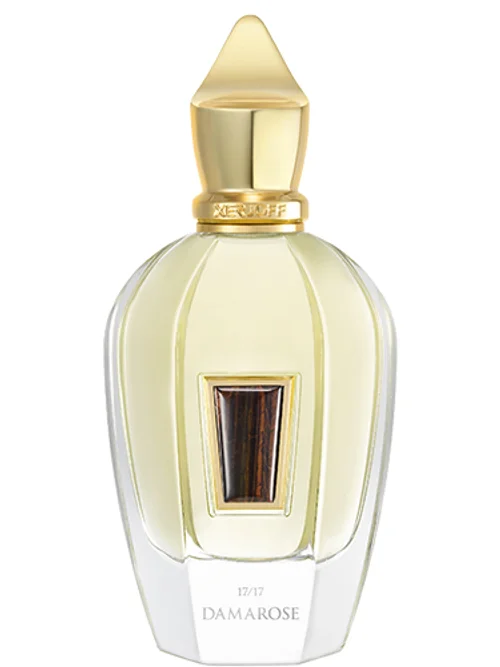
Xerjoff
Damarose
Eau de Parfum2010
LemonBergamotYlang-Ylang+1
8.0/10
147 ratings
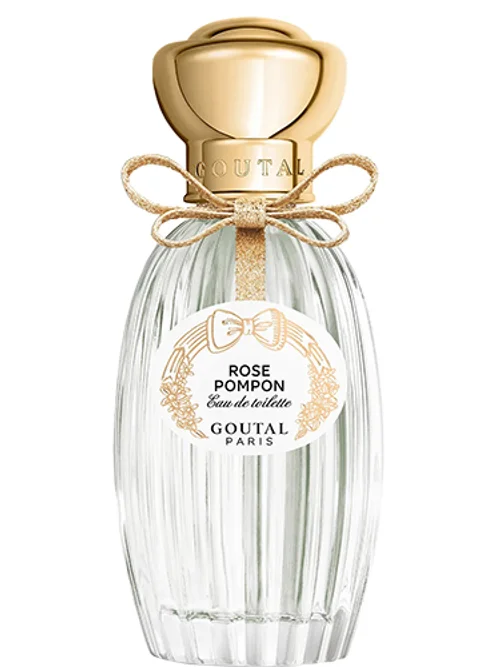
Goutal
Rose Pompon
Eau de Toilette2016
RoseCedarwoodPatchouli (Indonesia)+1
8.0/10
2 ratings
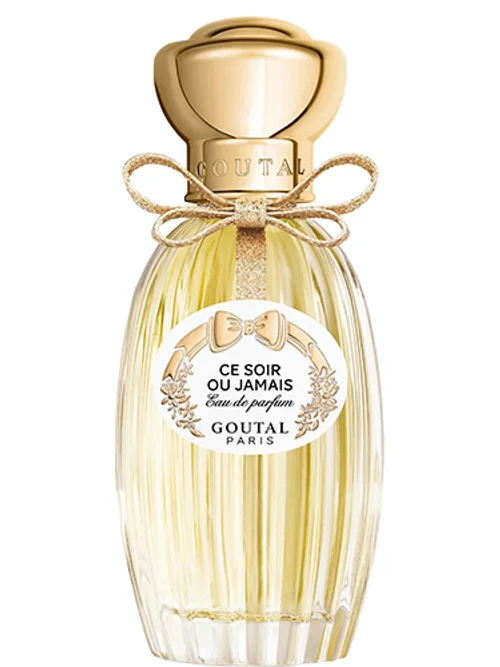
Goutal
Ce Soir Ou Jamais
Eau de Toilette1999
PearAmbrette SeedRose (Turkey)+1
8.0/10
4 ratings
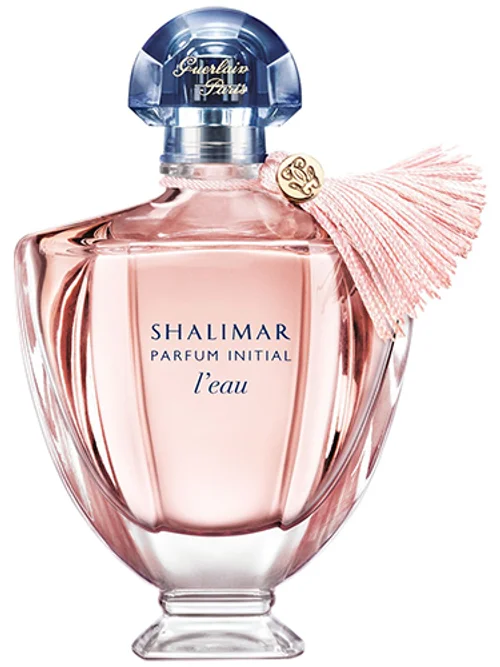
Guerlain
Shalimar Initial L'Eau
Eau de Toilette2012
JasmineBergamotGrapefruit+1
7.9/10
359 ratings