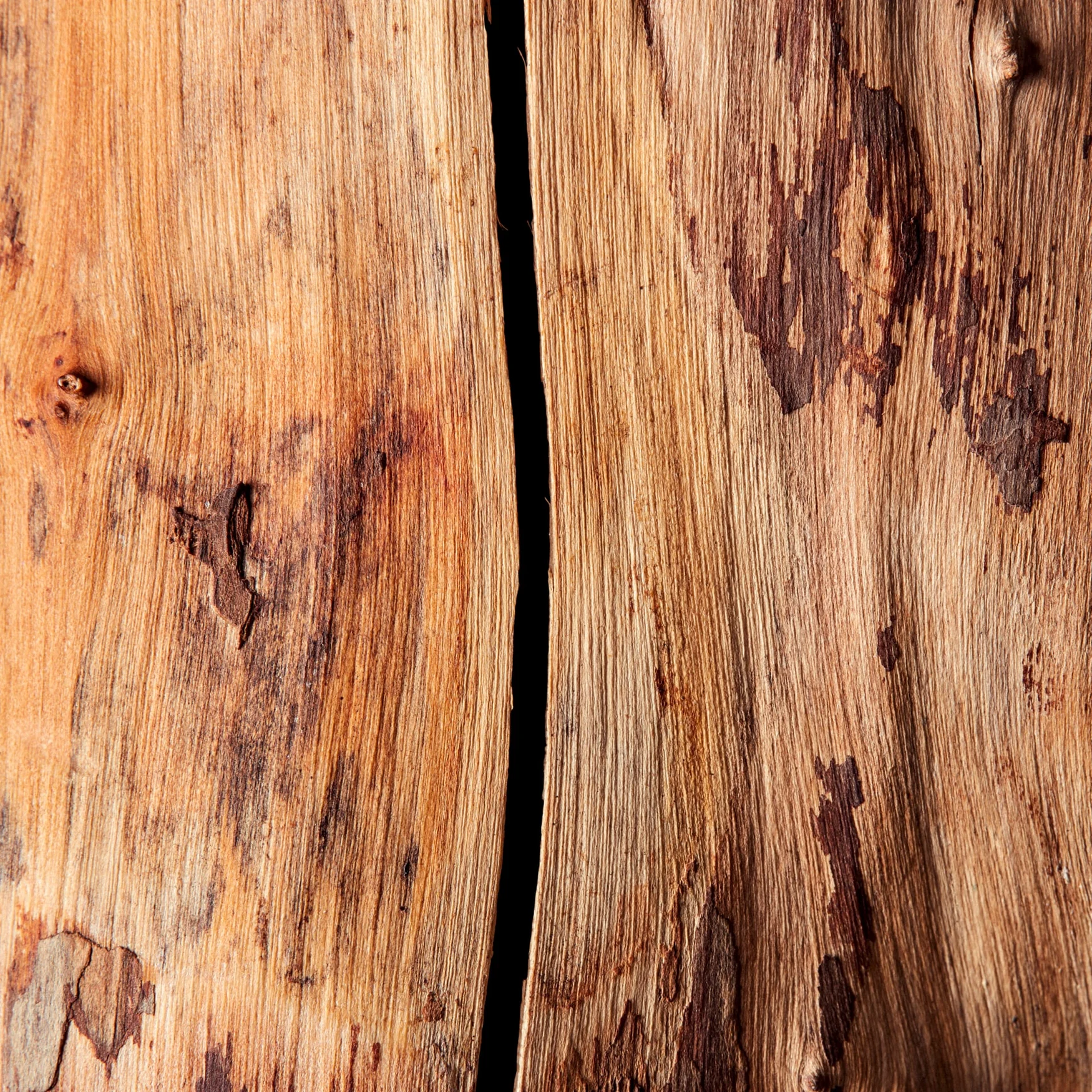
NoteWoodyNatural raw material
Sandalwood (Australia)
Woody, milky, creamy, unctuous, oriental, persistent, warm, pervasive, balsamic, suave, velvety.
Origin · AustraliaExtraction · Steam distillationUsed parts · Roots and tree core reduced in powder
About
A must-have in any perfumer’s arsenal, sandalwood forms the base note of countless fragrance compositions. Its milky, suave facets make for a deliciously blendable fixative that has inspired perfumers for millennia. Australian sandalwood offers a woody and ambery note with a pervasive warmth with a rich spiciness and fresh milkiness. Rich and lingering, the coveted note of sandalwood has its origins as an evergreen tree with richly fragrant heartwood. While there are many varieties of the sandalwood tree, only a select few make it into the world of perfumery: Santalum album, Santalum spicatum, and Santalum australedonicum. Its essential oil is obtained through a process of distillation after the wood and roots are dried and reduced to chips or powder.
History
For more than 13 million years sandalwood (Santalum spicatum) has grown in the vast, ancient land of Australia, preserved for more than 60,000 years by traditional custodians -- making it the oldest species of fragrant sandalwood today. To Aboriginal people, sandalwood is more than a sacred tree – it is a link to the soul and spirituality. When burnt, its fragrant smoke was was said to align the mind, body and spirit, and was used by traditional custodians prior to arduous, deeply cognitive or stressful activity.
Production
Rich and lingering, the coveted note of sandalwood has its origins as an evergreen tree with richly fragrant leaves. While there are many varieties of the sandalwood tree, only a select few make it into the world of perfumery: santalum album, santalum spicatu, and santalum australedonicum. Its essential oil is obtained through a process of distillation after the bark and roots are dried and reduced to a powder.
Also featured60 fragrances
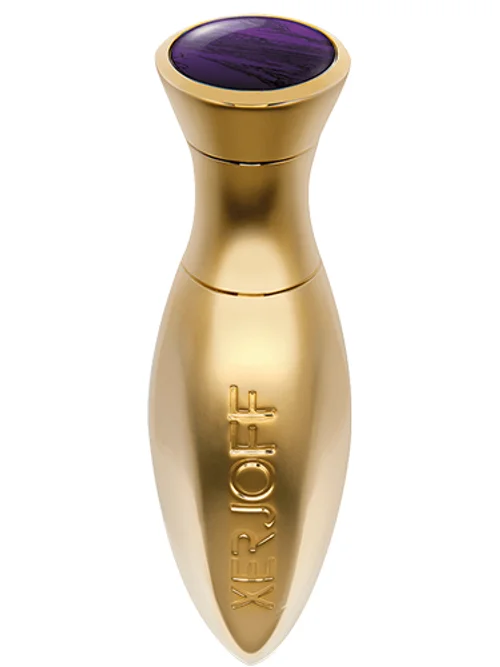
Xerjoff
Amphorae 17
2022
MuskAmberIncense / Olibanum+1
9.0/10
9 ratings
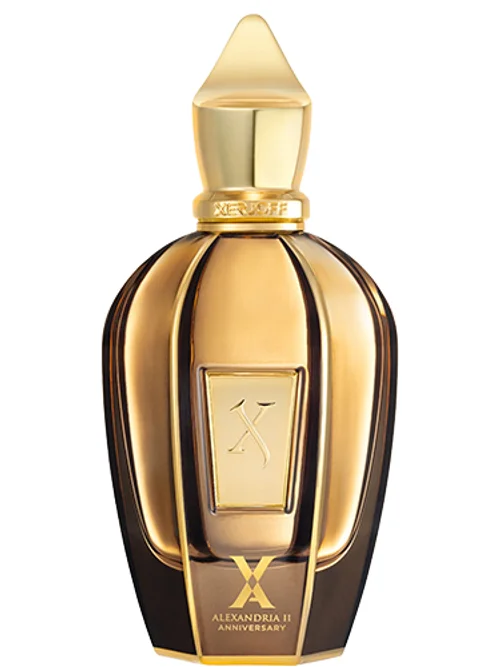
Xerjoff
Alexandria Ii Anniversary
2024
MintMuskAmber+1
8.8/10
258 ratings
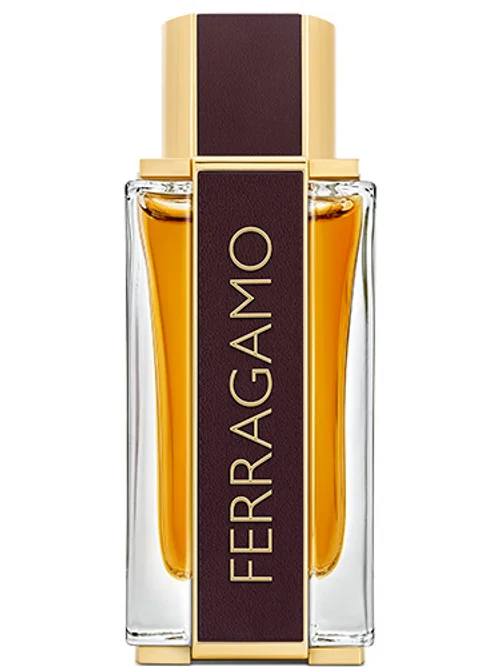
Salvatore Ferragamo
Ferragamo Spicy Leather
2021
LemonBergamotCedarwood+1
8.4/10
30 ratings
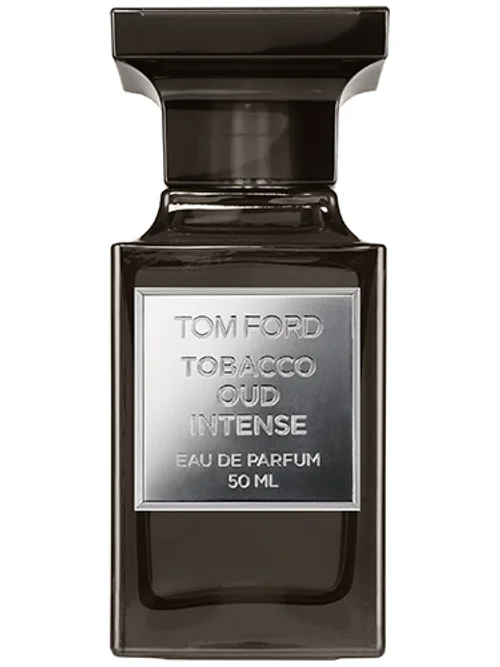
Tom Ford
Tobacco Oud Intense
Eau de Parfum2017
Ciste LabdanumIncense / OlibanumPatchouli+1
8.3/10
211 ratings
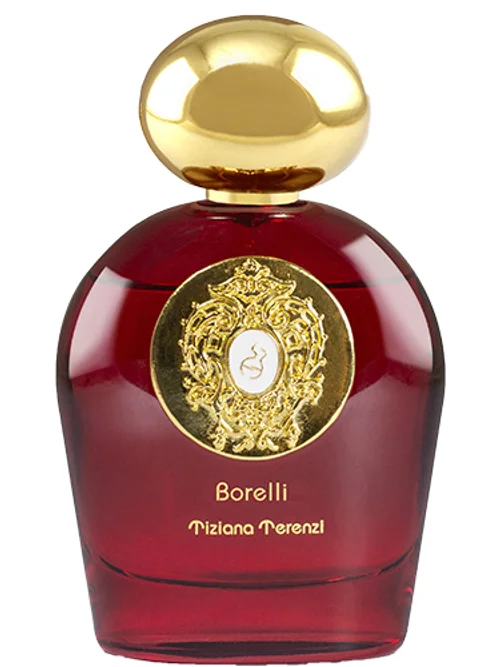
Tiziana Terenzi
Borelli
2023
BergamotTuberoseYlang-Ylang+1
8.3/10
22 ratings
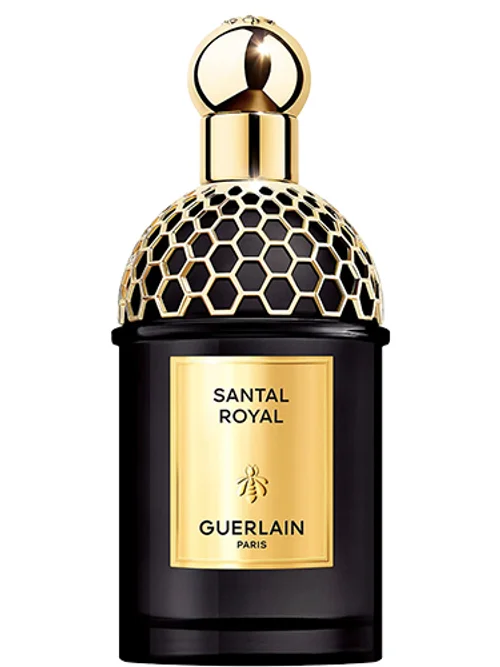
Guerlain
Santal Royal
Eau de Parfum2024
JasmineRoseSandalwood+1
8.0/10
2 ratings
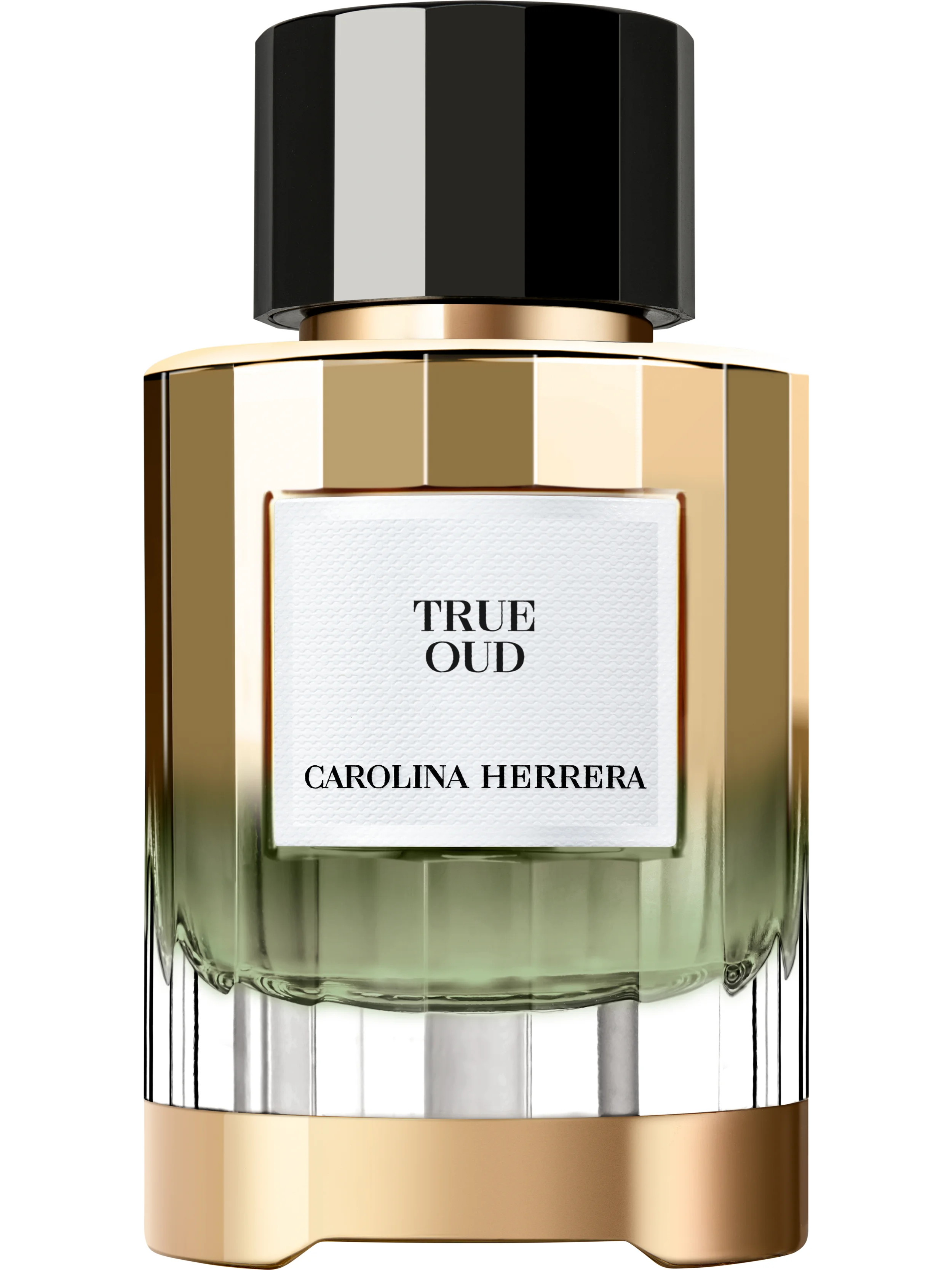
Carolina Herrera
True Oud
Eau de Parfum2022
Patchouli (Indonesia)MuskFreesia+1
7.9/10
16 ratings
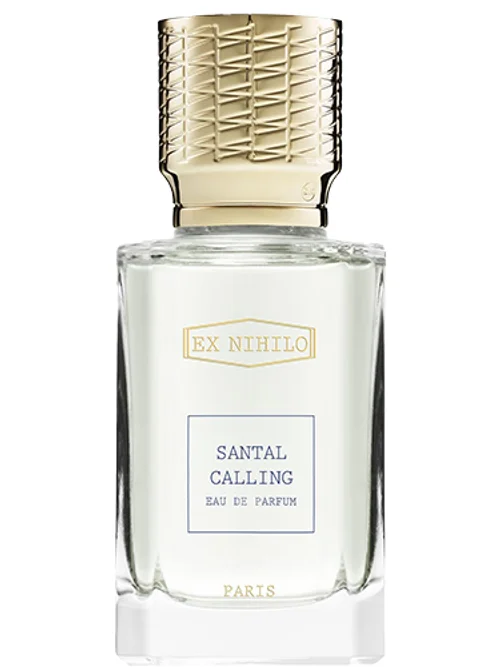
Ex Nihilo
Santal Calling
2022
Iris / OrrisMuskNutmeg+1
7.8/10
127 ratings