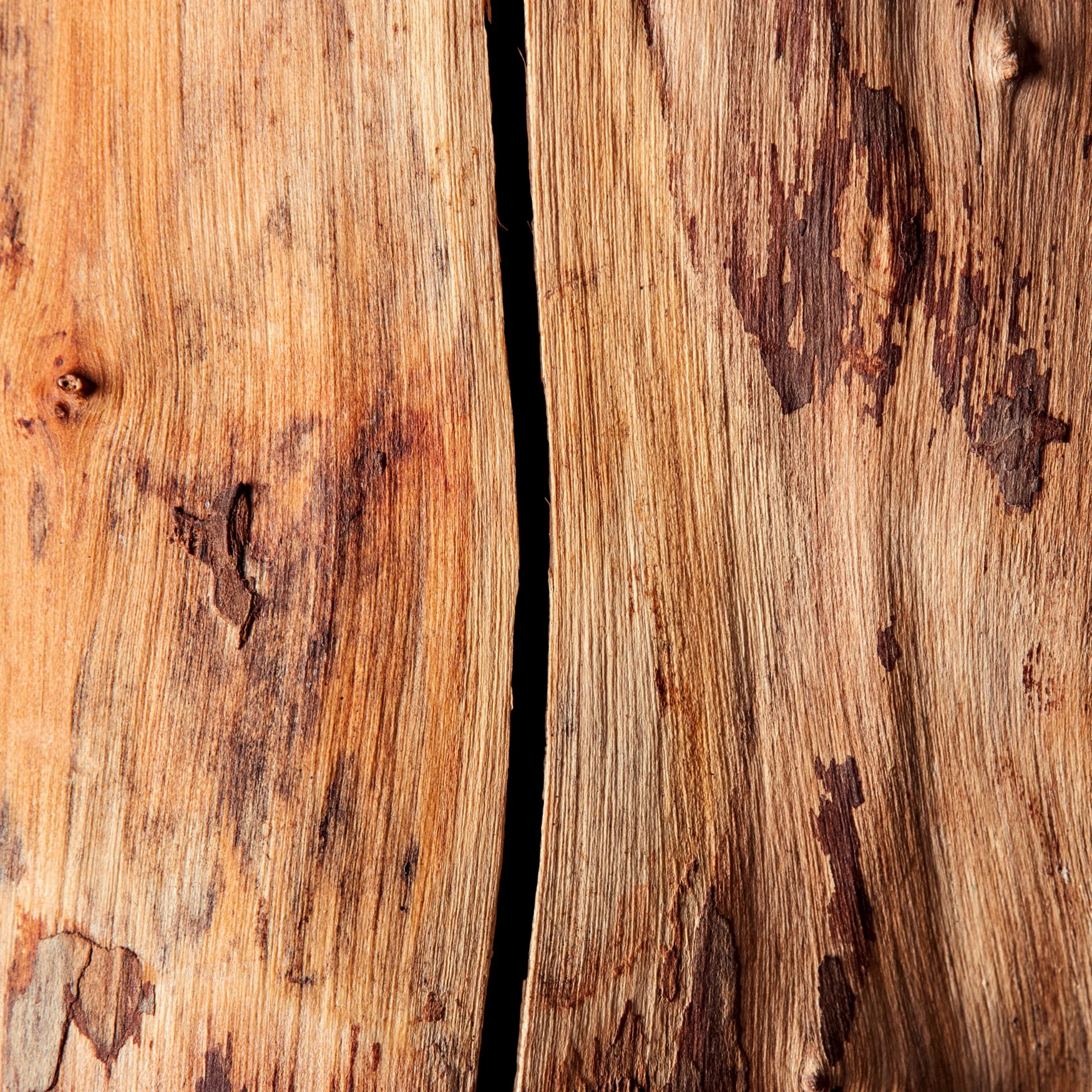
NoteWoodyNatural raw material
Sandalwood (Sri Lankan)
Woody, milky, creamy, unctuous, oriental, persistent, warm, pervasive, balsamic, suave, velvety.
Extraction · Steam distillationUsed parts · Roots and tree core reduced in powder
About
A must-have in any perfumer’s arsenal, sandalwood forms the base note of countless fragrance compositions. Its milky, suave facets make for a deliciously blendable fixative that has inspired perfumers for millennia. It’s a woody and ambery note with a pervasive warmth that is both velvety-smooth and decadently creamy.
History
Our senses have been captivated by the ethereal qualities of sandalwood for over four millennia. In Antiquity, sandalwood was used to manufacture furniture and decorate luxe temples—resulting in divinely-scented rooms with the added bonus of repelling insects. Venerated and held sacred, sandalwood has long been associated with the divine. Its connection is most notable in Hinduism and Buddhism, where sandalwood aided rituals intended to alleviate the suffering of humanity. In Hindu mythology, the garden of the gods grows a wonderfully scented tree by the name of “Hari Chandan,” from which sandalwood was its terrestrial remainder—a divine tree quite literally.
Production
Rich and lingering, the coveted note of sandalwood has its origins as an evergreen tree with richly fragrant leaves. While there are many varieties of the sandalwood tree, only a select few make it into the world of perfumery: santalum album, santalum spicatu, and santalum australedonicum. Its essential oil is obtained through a process of distillation after the bark and roots are dried and reduced to a powder.
Also featured7 fragrances
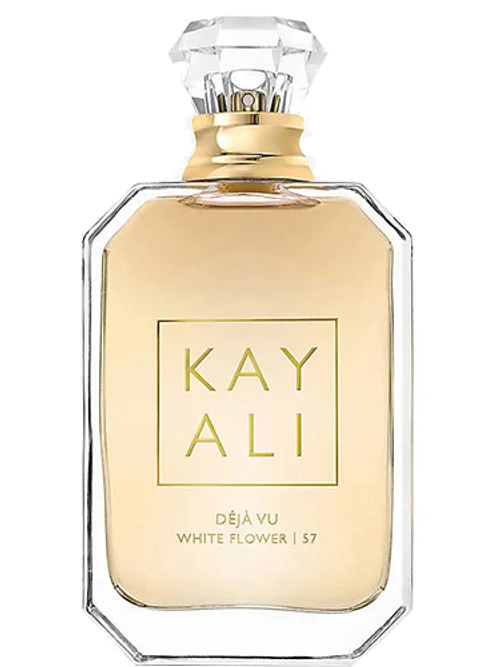
Kayali
Déjà Vu White Flower | 57
Eau de Parfum2020
GardeniaOrange BlossomTuberose+1
8.1/10
8 ratings
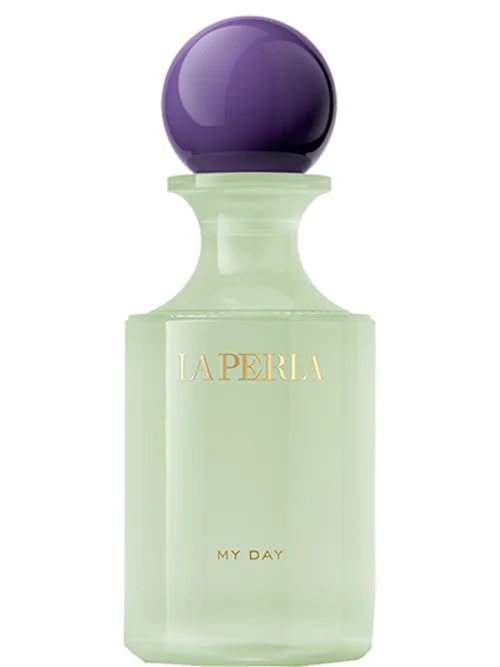
La Perla
My Day
2021
BergamotOrange BlossomTuberose+1
7.5/10
41 ratings
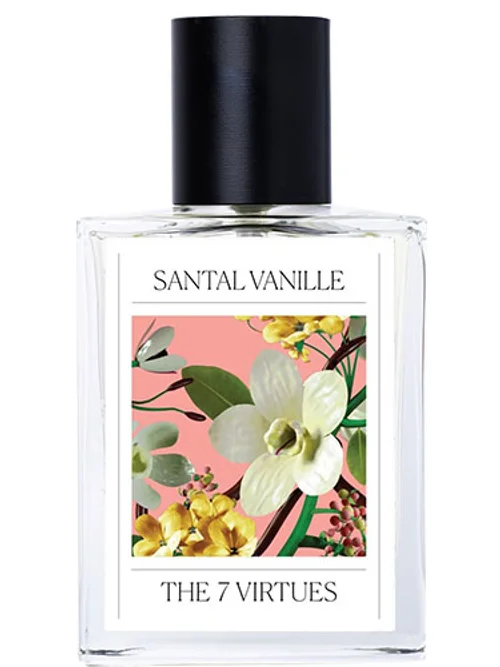
The 7 Virtues
Santal Vanille
Eau de Parfum2021
CedarwoodVanillaCashmeran (Woody Musky)+1
7.2/10
75 ratings
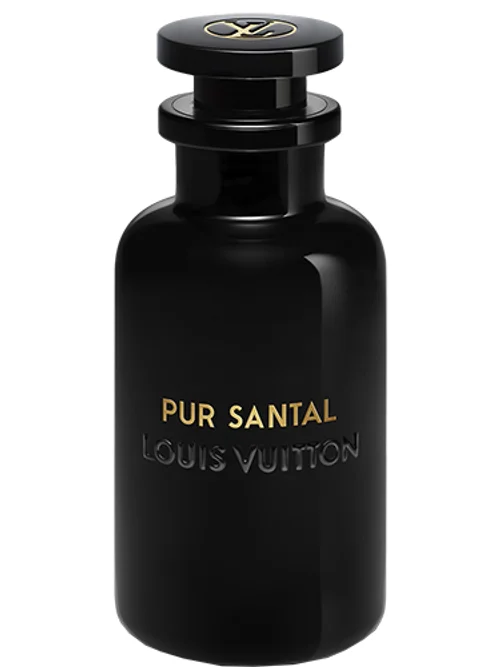
Louis Vuitton
Pur Santal
2024
MuskSandalwood (Sri Lankan)
5.5/10
15 ratings
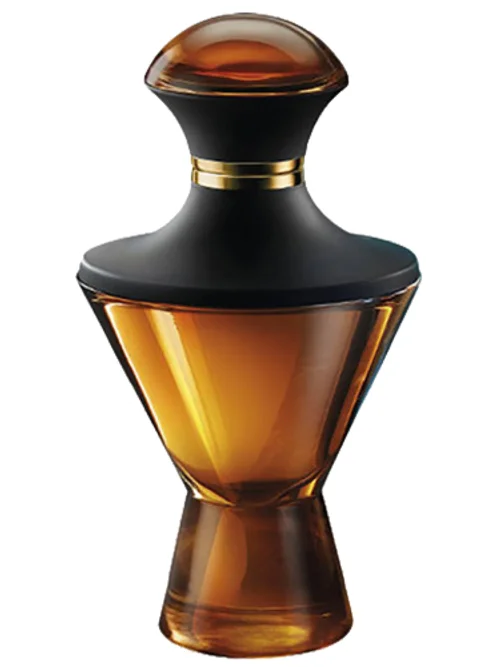
O Boticário
Alchemists Oud
2020
RoseCedarwoodVanilla+1
—/10
0 ratings
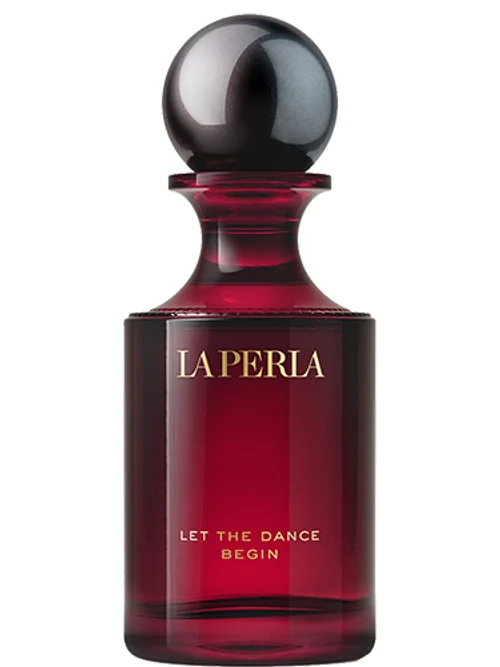
La Perla
Let The Dance Begin
2021
LemonBergamotTuberose+1
—/10
0 ratings
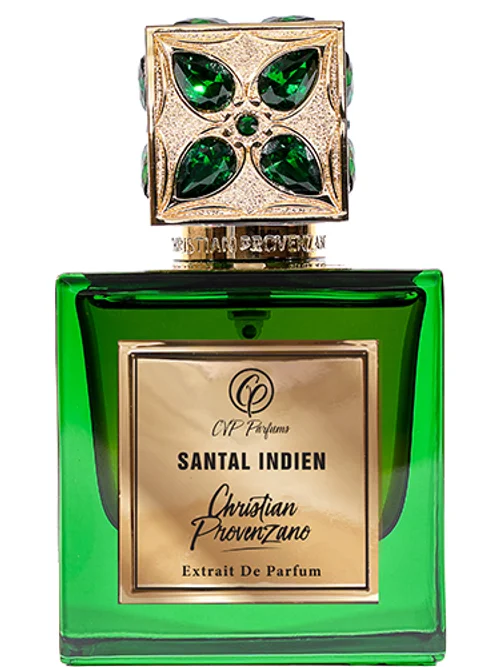
Christian Provenzano
Santal Indien
2021
BergamotVetiver (Haiti)Vanilla+1
—/10
0 ratings