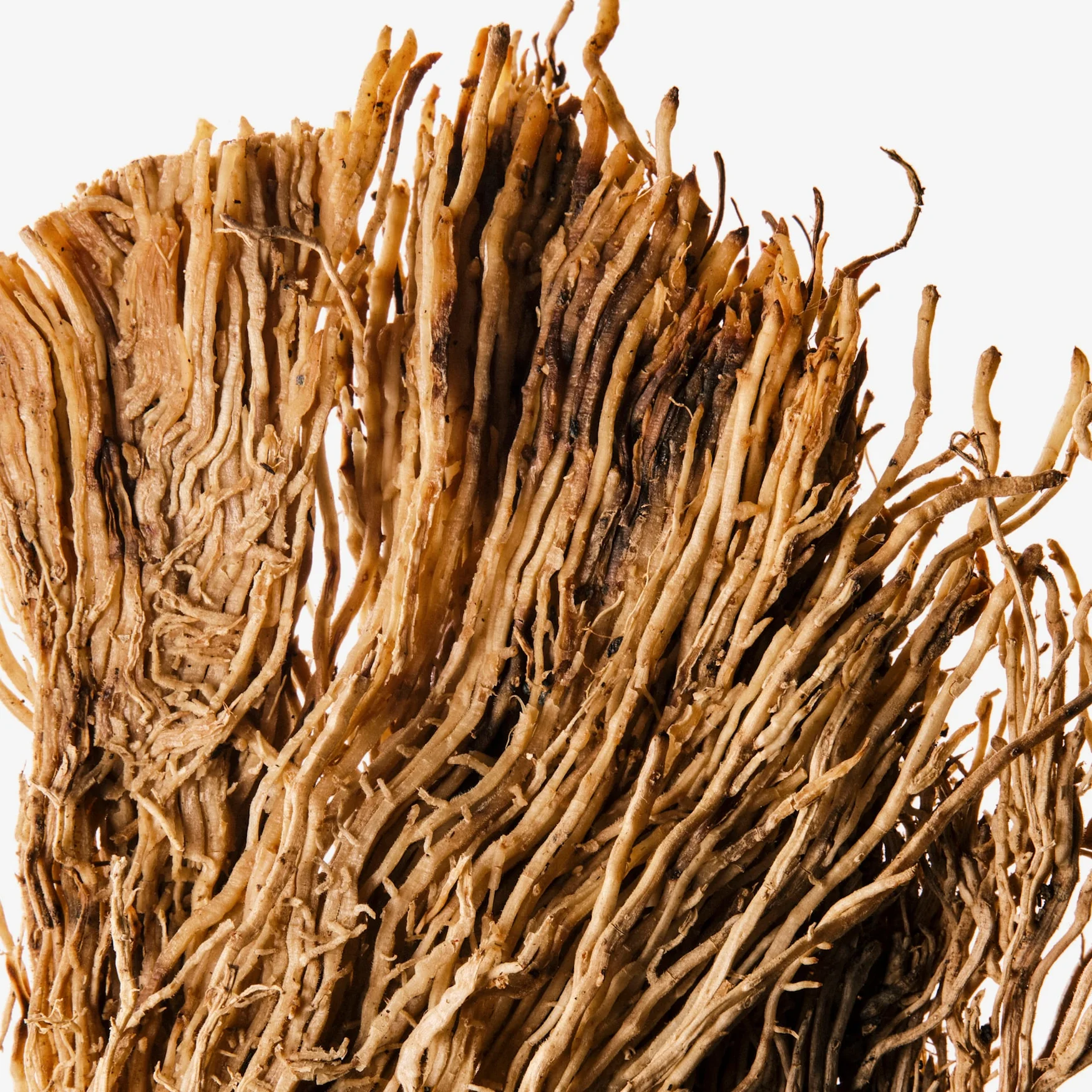
NoteWoodyNatural raw material
Vetiver (Haiti)
Dry woody scent, earthy, roots, smoke, warm, soft, intense, profound and persistent, with a slight mildew, grapefruit note…
Extraction · Steam distillationUsed parts · Roots dried in the sun
About
Vetiver is a profoundly earthy note with dry, woody facets that recall a soft, smoky warmth. It is an intense, grounding scent with surprising undertones of mildew and even grapefruit.
History
The word “vetiver” derives from the Tamil term “vettiveru,” and is widely known as “khus khus” in many parts of India. Vetiver was first imported to the Mauritius (formerly Ile de France) by a Governor General by the name of David Charpentier de Cossigny in 1764, and then to Reunion Island (formerly Ile Bourbon) in the early 20th century. Its cultivation on Reunion Island has captured the attention of the perfume industry, with “Bourbon vetiver” largely considered the highest quality vetiver in the world.
Production
Native to India and Indonesia, vetiver grows in thick, stiff stems with long, narrow leaves from 1 to 2 meters in length. But it is the roots (rhizomes) that interest perfumers. Rhizomes grow vertically—until depths of 2 to 3 meters. Vetiver is wild at heart: growing in both cultivated and uncultivated tropical regions of Reunion Island, India, Brazil, China, Haiti and Java. A rather lengthy and arduous process is undertaken to obtain the coveted vetiver essence, whereby the rhizomes are dug up, washed, cut into pieces and dried in the sun before the essence is extracted using organic solvents. A whopping 100 kilograms of rhizome roots are required to produce a single kilogram of vetiver essence.
Also featured60 fragrances
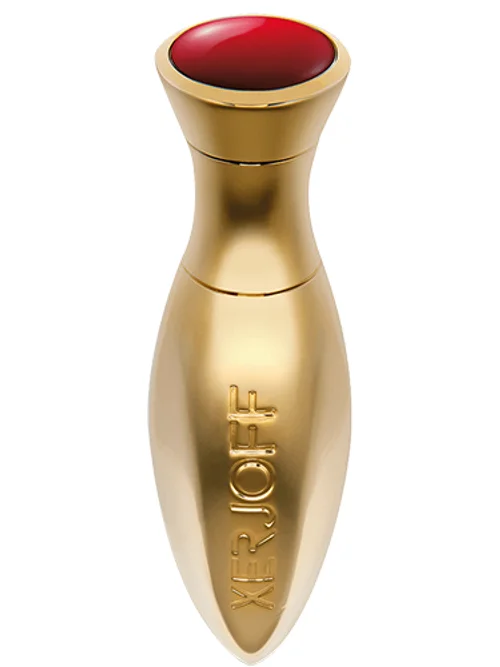
Xerjoff
Amphorae 16
2022
Vetiver (Haiti)MuskCypriol / Nagarmota+1
8.4/10
10 ratings
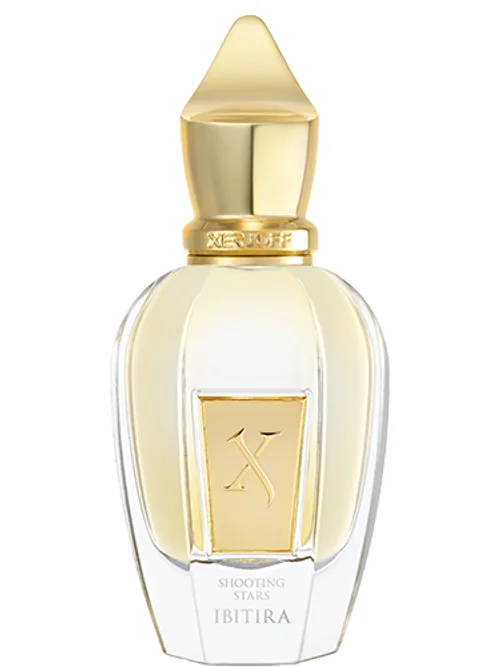
Xerjoff
Ibitira
Eau de Parfum2009
LemonOrange BlossomVetiver (Haiti)+1
8.1/10
202 ratings
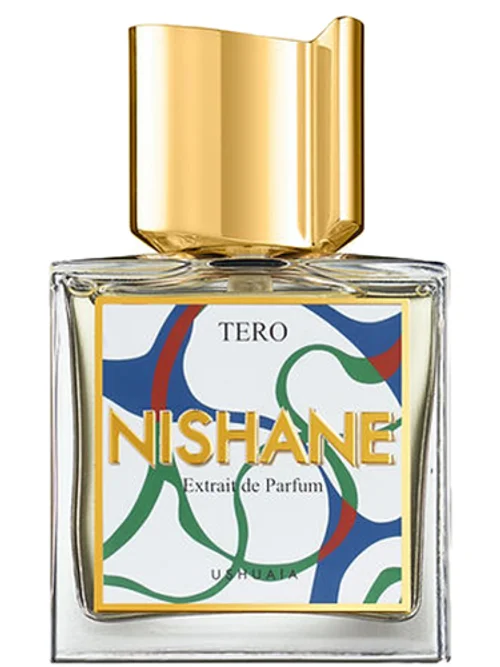
Nishane
Tero
Eau de Parfum2022
Vetiver (Haiti)AmberPatchouli+1
8.1/10
220 ratings
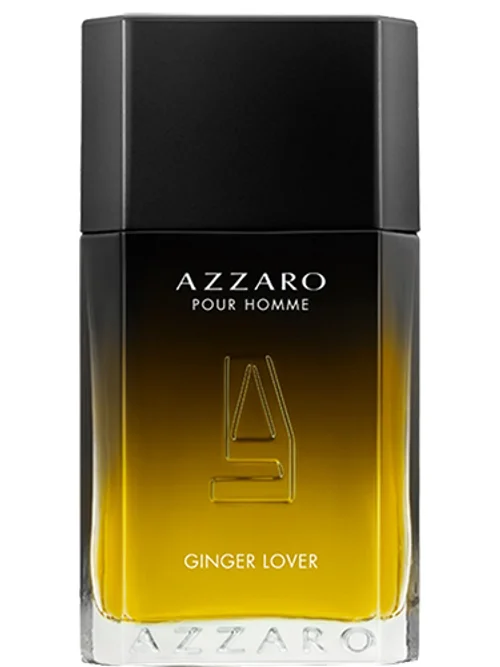
Azzaro
Pour Homme Ginger Lover
2019
Vetiver (Haiti)CedarwoodCardamom+1
8.1/10
65 ratings
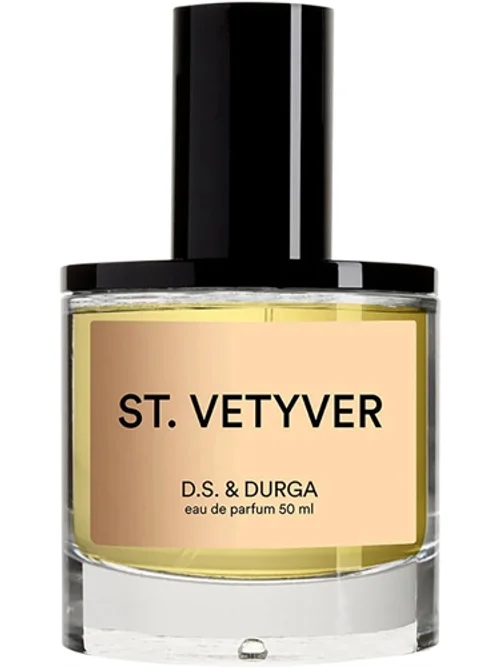
D.S. & Durga
St. Vetyver
Cologne2021
Vetiver (Haiti)Pink PepperRum+1
8.1/10
69 ratings
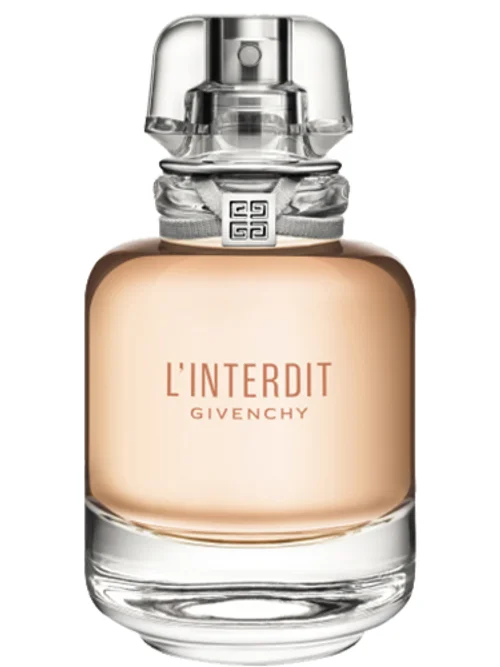
Givenchy
L'Interdit
Eau de Toilette2019
JasmineRoseBergamot+1
8.0/10
14 ratings
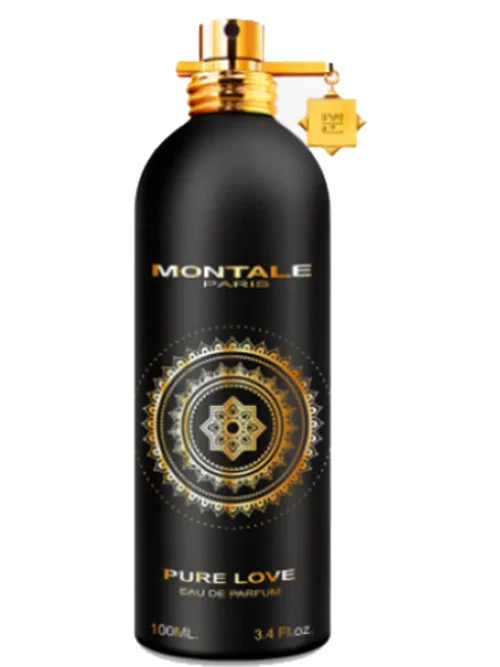
Montale
Pure Love
2019
LemonRoseVetiver (Haiti)+1
7.8/10
89 ratings
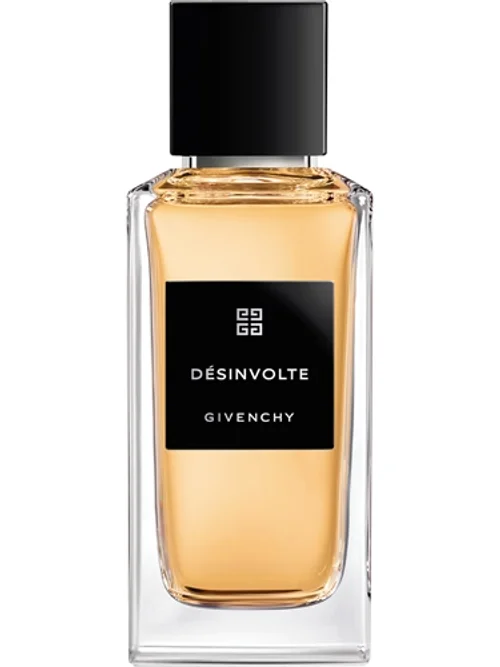
Givenchy
Désinvolte
2021
Orange BlossomJasmine (Grandiflorum)Vetiver (Haiti)+1
7.7/10
15 ratings